10K vs 14K vs 18K Gold: Which Is Best for Jewelry?
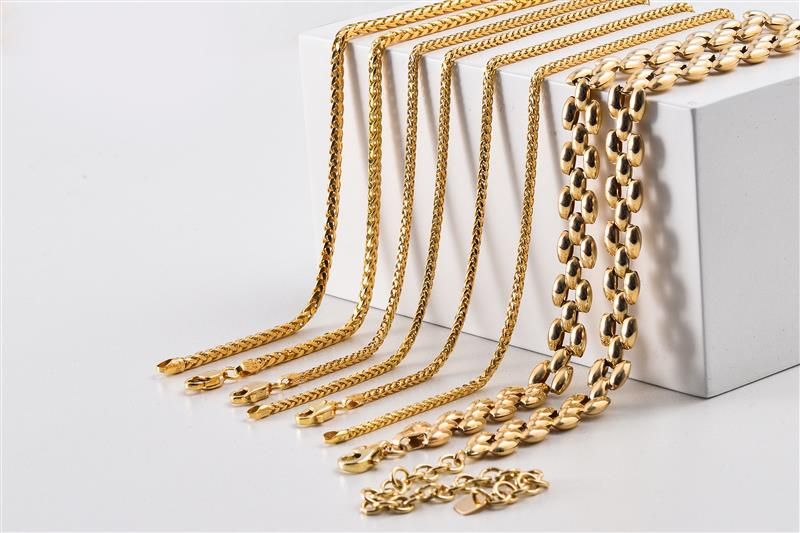
Shopping for gold jewelry can be confusing when choosing between 10K, 14K, and 18K gold. Each karat affects appearance, durability, and price. Understanding these differences helps you make a smarter, more confident purchase and choose jewelry you’ll love and wear longer.
Shop With Us
Discover a seamless shopping experience with our curated selection of high-quality products. Whether you're looking for the latest trends, must have essentials, or exclusive deals.
What Does Gold Karat Actually Mean?
It does. The karat of gold affects how your jewelry looks, how long it lasts, and how much you pay. Understanding the difference between 10k 14k 18k gold can save you money and help you buy pieces you'll actually enjoy wearing.
What Does Gold Karat Actually Mean?
Gold purity is measured in karats (abbreviated as K or kt). Pure gold is 24 karats --- meaning 24 out of 24 parts are gold. But pure gold is extremely soft and not practical for everyday jewelry. So it's mixed with other metals like silver, copper, zinc, or palladium to add strength and durability.
- 10K Gold: 41.7% pure gold
- 14K Gold: 58.3% pure gold
- 18K Gold: 75% pure gold
The higher the karat, the more gold content --- but that doesn't automatically make it the "best" choice. The right karat depends on how you'll wear the piece, your budget, and your skin sensitivity.
10K Gold: The Most Affordable and Durable Option
Who Should Consider 10K Gold?
- Those shopping on a tighter budget
- People with active lifestyles who need something tough
- Anyone buying jewelry they plan to wear every single day
- Great for earrings, stackable rings, and simple pendants
If affordability and durability are your priorities, 10K gold gets the job done. Many shoppers choose 10k gold jewelry for daily-wear pieces that need extra toughness.
14K Gold: The Sweet Spot for Most Buyers
14K gold is the most popular karat choice in the US --- and for good reason. It balances gold purity with wearability in a way no other karat quite matches. With 58.3% gold content, it has a richer color than 10K while still being tough enough for everyday wear.
Why 14K Gold Stands Out
- More resistant to scratching than 18K or 24K gold
- Warmer, more vibrant color than 10K
- Less likely to cause skin irritation than 10K
- Mid-range pricing makes it accessible without sacrificing quality
- Ideal for rings, bracelets, necklaces, and fine jewelry
18K Gold: The Premium Choice for Fine Jewelry
18K gold contains 75% pure gold, giving it a distinctly richer, deeper color that's immediately visible next to lower karat options. It's the preferred standard for luxury jewelry, high-end engagement rings, and pieces featuring premium gemstones.
The softer composition means 18K scratches more easily than 14K --- but it also means it's less likely to cause allergic reactions, making it a top pick for sensitive skin. For those seeking a luxurious look with fewer allergy concerns, 18k gold jewelry is a top choice.
When to Choose 18K Gold
- Special occasion jewelry: anniversary pieces, heirlooms, or gifts
- Pieces with high-value gemstones like diamonds, sapphires, or rubies
- Anyone with nickel sensitivity or sensitive skin
- When color richness and luxury feel are top priorities
10K vs 14K vs 18K Gold: Side-by-Side Comparison
Here's how the three stack up across the factors that matter most to jewelry buyers:
Durability
- 10K: Most durable — resists scratching best
- 14K: Very durable — strong enough for daily wear
- 18K: Less scratch-resistant — better for occasional wear
Color & Appearance
- 10K: Lighter yellow tone
- 14K: Classic warm gold color
- 18K: Rich, deep gold hue — most vibrant
Skin Sensitivity
- 10K: Higher chance of irritation due to alloy content
- 14K: Generally safe for most people
- 18K: Best for sensitive skin
Price Point
- 10K: Most affordable
- 14K: Mid-range — best value for quality
- 18K: Highest price, highest purity
Which Gold Karat Is Actually Best for You?
There's no universal answer --- but there are clear scenarios where each karat shines.
- Choose 10K if: you want affordable, tough jewelry for everyday use, or you're buying pieces for children or active wear.
- Choose 14K if: you want the best balance of durability, beauty, and price. This is the gold standard --- pun intended --- for engagement rings, everyday wear.
- Choose 18K if: you have sensitive skin, want premium color richness, or are investing in a statement piece or heirloom-quality jewelry.
Styling and Wearing Tips for Each Karat
Beyond the specs, how you wear and care for your gold jewelry matters just as much as the karat.
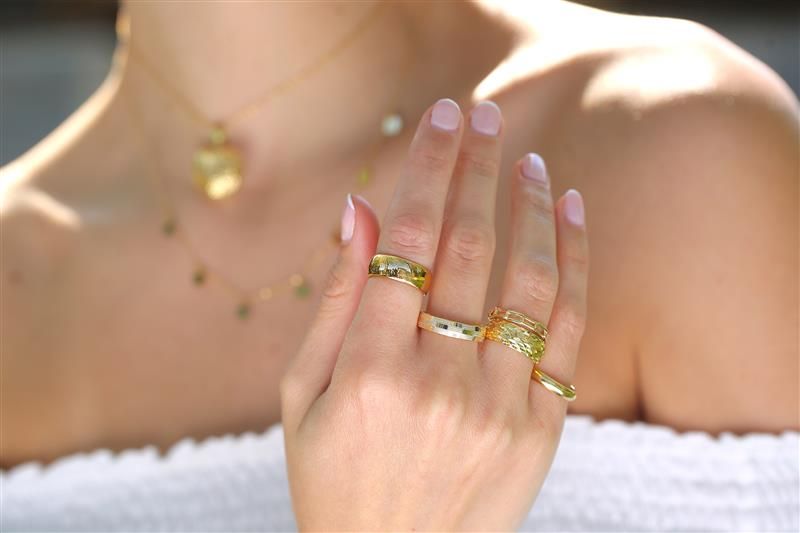
- 10K gold pairs well with casual, everyday looks. Stack multiple pieces without worrying too much about wear.
- 14K gold is versatile enough to go from office to date night. It holds up to lotion, sweat, and regular handling.
- 18K gold shines brightest when reserved for special occasions. Remove before exercise, swimming, or cleaning.
- For all karats: clean gently with mild soap and a soft cloth, and store pieces separately to avoid scratching.
Recommended Gold Jewelry to Shop
Whether you're just starting your gold jewelry collection or adding to it, here are some popular picks to consider:
- 10K Gold Hoop Earrings: Timeless, affordable, and built to last --- perfect for daily wear.
- 14K Gold Diamond Engagement Rings: A classic investment in quality and lasting beauty. Browse our full ring collection.
- 18K Gold Tennis Bracelets: Luxurious, elegant, and ideal as a special occasion gift.
- 14K Gold Chain Necklaces: Everyday elegance that transitions seamlessly from casual to formal.
Frequently Asked Questions
Is 14K or 18K gold better for an engagement ring?
14K is generally the better choice for an engagement ring. It's durable enough for daily wear and holds stones securely. 18K is a great option if skin sensitivity is a concern or if you prioritize a richer gold color and are willing to care for it more carefully.
Does higher karat gold tarnish less?
Higher karat gold tarnishes less because it contains fewer reactive alloy metals. 18K gold is the most tarnish-resistant of the three. That said, all gold jewelry benefits from regular cleaning and proper storage.
Can I wear 10K gold if I have sensitive skin?
It depends on your specific sensitivity. 10K gold contains more alloy metals like nickel, which is a common irritant. If you have known nickel sensitivity, 14K or 18K gold are safer choices. Always check the specific alloy composition before purchasing.
Is 18K gold worth the extra cost?
If color richness, skin sensitivity, or prestige matter to you, yes. For everyday jewelry where durability is key, 14K gold usually offers better value. Reserve 18K for statement pieces or special occasions where its deeper color and higher purity can truly shine.
How do I know what karat my gold jewelry is?
Look for a hallmark stamp on the piece --- usually found on the inside of rings or the clasp of necklaces and bracelets. You'll see markings like "10K," "14K," or "18K" (or their decimal equivalents: .417, .583, .750). If there's no stamp, a jeweler can test it for you.
Which gold karat holds its value best?
18K gold holds value better due to its higher gold content. However, jewelry value is also influenced by craftsmanship, gemstones, and brand. For investment purposes, 18K or 24K is typically preferred --- but for wearable everyday jewelry, 14K offers the best blend of value and longevity.
Final Thoughts: Choosing the Right Gold for Your Jewelry
When it comes to 10K vs 14K vs 18K gold, there's no single right answer --- but there is a best answer for you.
If budget and durability are your main concerns, go with 10K. If you want the most well-rounded option for everyday wear, 14K is hard to beat. And if you're investing in something truly special --- a ring to be passed down, a gift to be remembered --- 18K delivers that premium quality.
The most important thing is that your gold jewelry fits your life, your style, and your skin. Once you know the difference between these three karat options, you'll shop with confidence every time.
Ready to find your perfect piece? Explore ShopLC's gold jewelry collection and discover pieces crafted in 10K, 14K, and 18K gold at prices that won't break the bank.
Q&A
Question: Is 10K considered “real gold”?
Short answer: Yes. 10K gold contains 41.7% pure gold alloyed with other metals for strength. It’s the most affordable and most scratch-resistant of the three options discussed, with a slightly lighter yellow tone. It’s great for everyday, budget-conscious wear, though its higher alloy content can bother very sensitive skin.
Question: Why is 14K often recommended for rings with gemstones?
Short answer: 14K strikes the best balance of strength and gold content, so prongs and settings stay secure without being too soft. It has a richer color than 10K, is more scratch-resistant than 18K, and is durable enough for daily wear—making it the standard pick for engagement rings and wedding bands.
Question: Can I mix 10K, 14K, and 18K pieces in a ring stack or layered necklaces?
Short answer: Yes. Visually, the mix can look great—10K is lighter, 14K is classic warm, and 18K is deep and rich. Practically, remember 10K is hardest and 18K is softest, so to minimize scuffs, avoid having 18K pieces rub directly against harder ones, and store all pieces separately. For heavy, daily stacks, lean on 10K and 14K; reserve 18K for lighter contact.
Question: Is 24K gold a good idea for jewelry I wear every day?
Short answer: Not typically. Pure 24K gold is very soft and “not practical for everyday jewelry.” If you want a richer gold look, choose 18K for special pieces or 14K for an everyday balance of beauty and durability.
Question: Can I wear my gold jewelry in the shower, at the gym, or in the pool?
Short answer: 14K holds up well to everyday life—including lotion, sweat, and regular handling—while 18K should be removed before exercise, swimming, or cleaning to prevent excess scratching. For all karats, your pieces will look best longer if you minimize harsh exposure, clean gently with mild soap and a soft cloth, and store each item separately.
Comments
No comments yet. Be the first to comment!

⭐ Rate this Post & Leave a Comment ✍️