Are Affordable Pearls at an End?
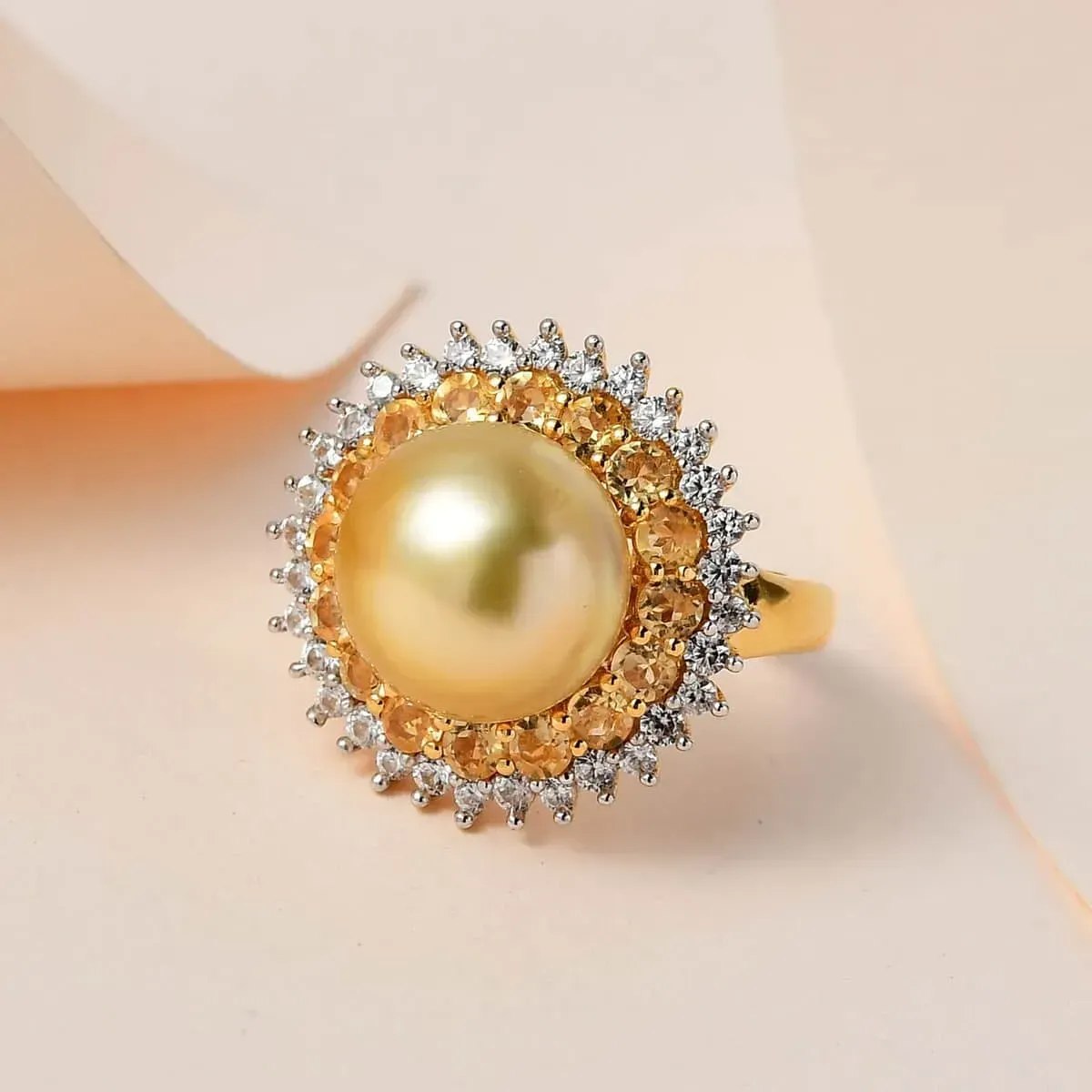
Recent market changes begs the question: are we at the end of an affordable pearl market? As first reported by JCK, increased demand from China is...
Shop With Us
Discover a seamless shopping experience with our curated selection of high-quality products. Whether you're looking for the latest trends, must have essentials, or exclusive deals.
[jetpack_subscription_form show_subscribers_total="false" button_on_newline="false" custom_font_size="16" custom_border_radius="0" custom_border_weight="1" custom_padding="15" custom_spacing="10" submit_button_classes="" email_field_classes="" show_only_email_and_button="true"]
What are the factors driving the demand for pearls in China?
Pearl Meaning in China
The use of pearl imagery in Chinese poetry, literature, and art is extensive. They serve as metaphors for a variety of virtues and desirable qualities, reflecting both personal and societal ideals.
Pearls are often seen as symbols of purity and integrity. Their smooth, unblemished surface is evocative of purity, while the long process of their formation within oysters is seen as a metaphor for the cultivation of good character and moral rectitude.
The gradual, layered creation of a pearl is often likened to the acquisition of wisdom over time. Each layer of a pearl's nacre can symbolize the accumulation of wisdom and experience.
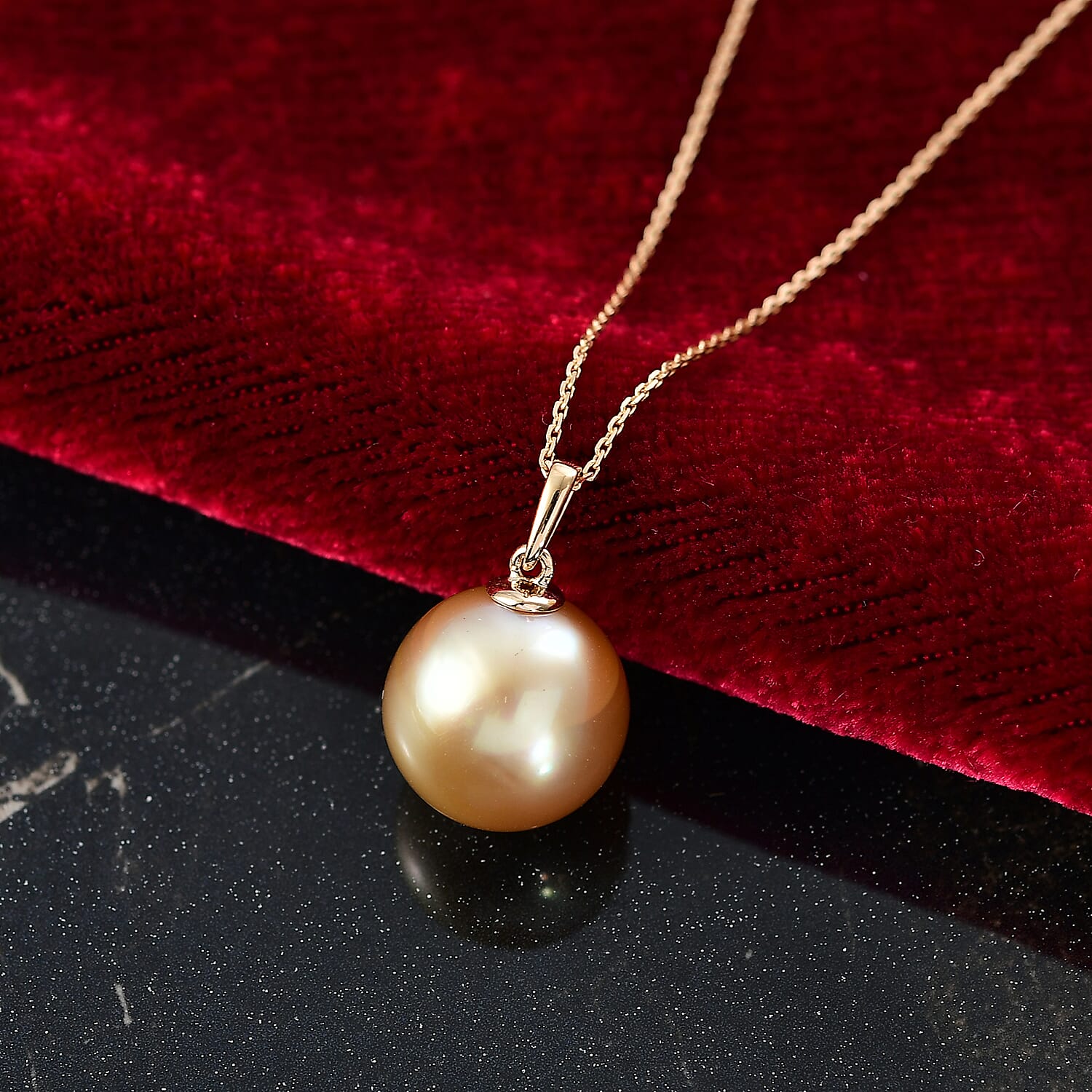
Pearls are often associated with feminine beauty in Chinese culture. They're believed to symbolize the grace, purity, and elegance that are idealized in feminine aesthetics.
Traditionally, pearls have also been ground into powder and used in Chinese medicine to promote health and longevity. They were believed to have medicinal properties that could cure various ailments and promote a long, healthy life.
In Chinese mythology, dragons chasing or holding pearls are common motifs. The pearl often represents spiritual energy, wisdom, prosperity, power, or immortality in these mythological narratives.
How is the global pearl industry reacting to this surge in demand and prices?
As of the time of writing, pearl supply is drying up within of Asia. Since Chinese buyers are willing to pay top dollar, competition for new stock is expected to heat up. As a result, buyers are limited in the amounts they can purchase from Asian markets.
What are the long-term projections for pearl prices and market dynamics?
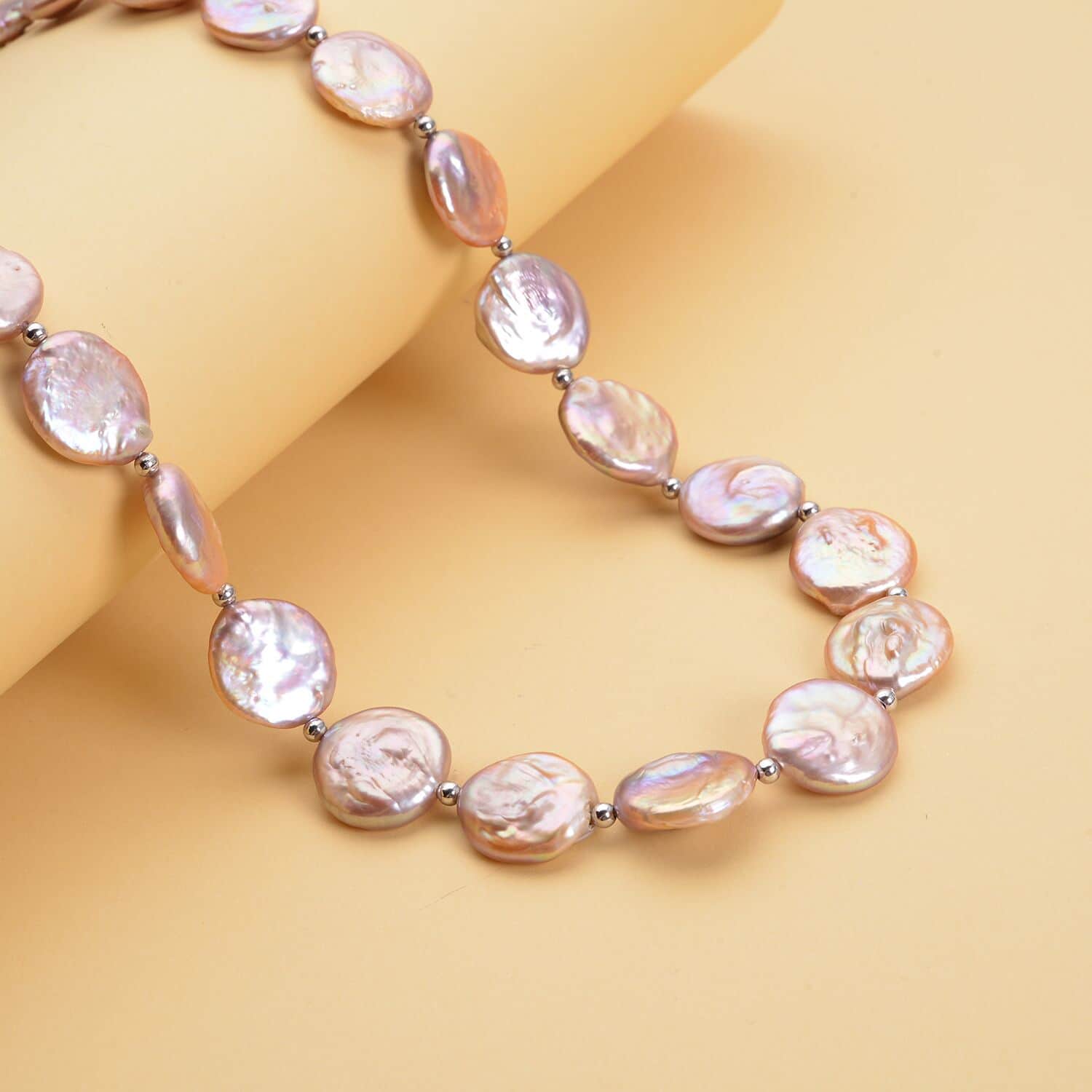
With a fraction of supply now available, prices are expected to surge across the board. Even traditionally affordable options, such as cultured freshwater pearls, may see a price increase.
This increase to wholesale cost is expected to trickle down the supply chain. Ahead of the holidays, it’s possible that we’ll see prices continue to rise, potentially doubling or even tripling due to holiday demand and competition from China.
How are other pearl-producing regions apart from Japan and the South Sea region affected?
At this time, it’s expected that suppliers are gearing up to meet demand. As supplies of Akoya and South Sea pearls dwindle, Chinese pearl buyers are likely to turn to other options, such as Tahitian and freshwater pearls.
Are there any measures in place to stabilize the pearl market and ensure wider availability outside Asia?
Whenever a stone trends in popularity, there is little to be done in the market to stem the tide. And with pearls, this is likely to be the same.
As a result, I predict that we’ll see a vacuum in the market over the next few quarters as suppliers clear out stock. After that, it will be a matter of what the market can supply versus the demand of consumers.
Since the culturing process can require several years, we are very likely to see prices rise and stay high over the next few seasons. However, pearl suppliers will need to play it cautiously. Should they over produce they may be left with a supply buyers may no longer want.
How are jewelers and consumers in other markets like the U.S reacting to these price increases?
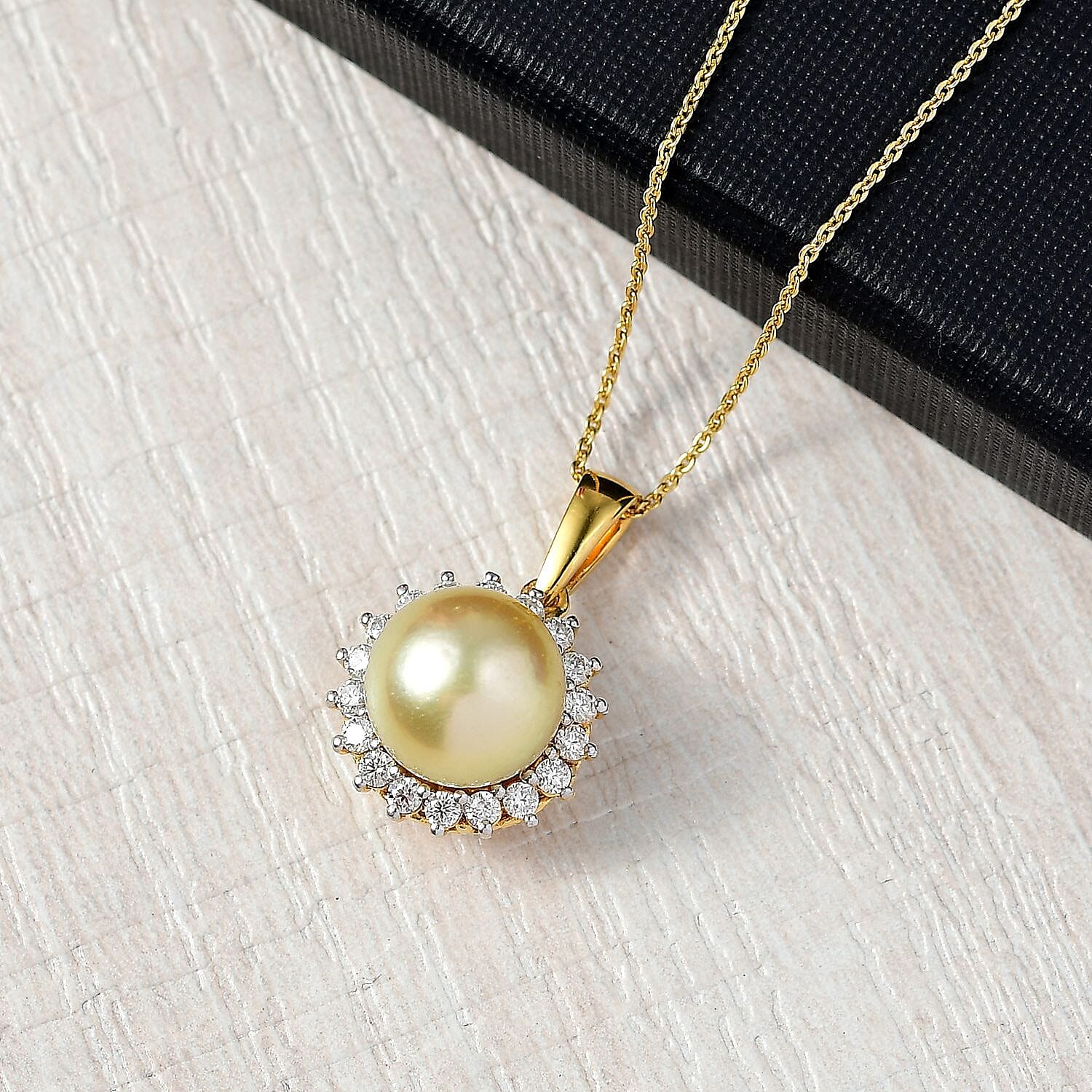
Many suppliers are selling through existing stock as quickly as possible. Others may be looking to acquire old stock at current prices to help develop a supply to weather expected price increases.
Comments
No comments yet. Be the first to comment!

⭐ Rate this Post & Leave a Comment ✍️