Ask Shop LC: Does Diamond Fluorescence Affect Value?
Introduction Welcome to Ask Shop LC, a series created for you, the shopper! Our team is answering questions that real Shop LC customers are...
Shop With Us
Discover a seamless shopping experience with our curated selection of high-quality products. Whether you're looking for the latest trends, must have essentials, or exclusive deals.
Introduction
Welcome to Ask Shop LC, a series created for you, the shopper! Our team is answering questions that real Shop LC customers are asking, ranging from the common to the obscure. This week, we are addressing a great customer question about diamond fluorescence.
If two diamonds are exactly alike, but one glows under UV light, and the other doesn’t, does the glowing diamond have a lower value?
Anetta asks, "If two diamonds are exactly alike, but one glows under UV light, and the other doesn't, does the glowing diamond have a lower value? I have been trying for years to get an answer to this, but everywhere I call or email, I can never get a straight answer. Can you please clear up my confusion?"*
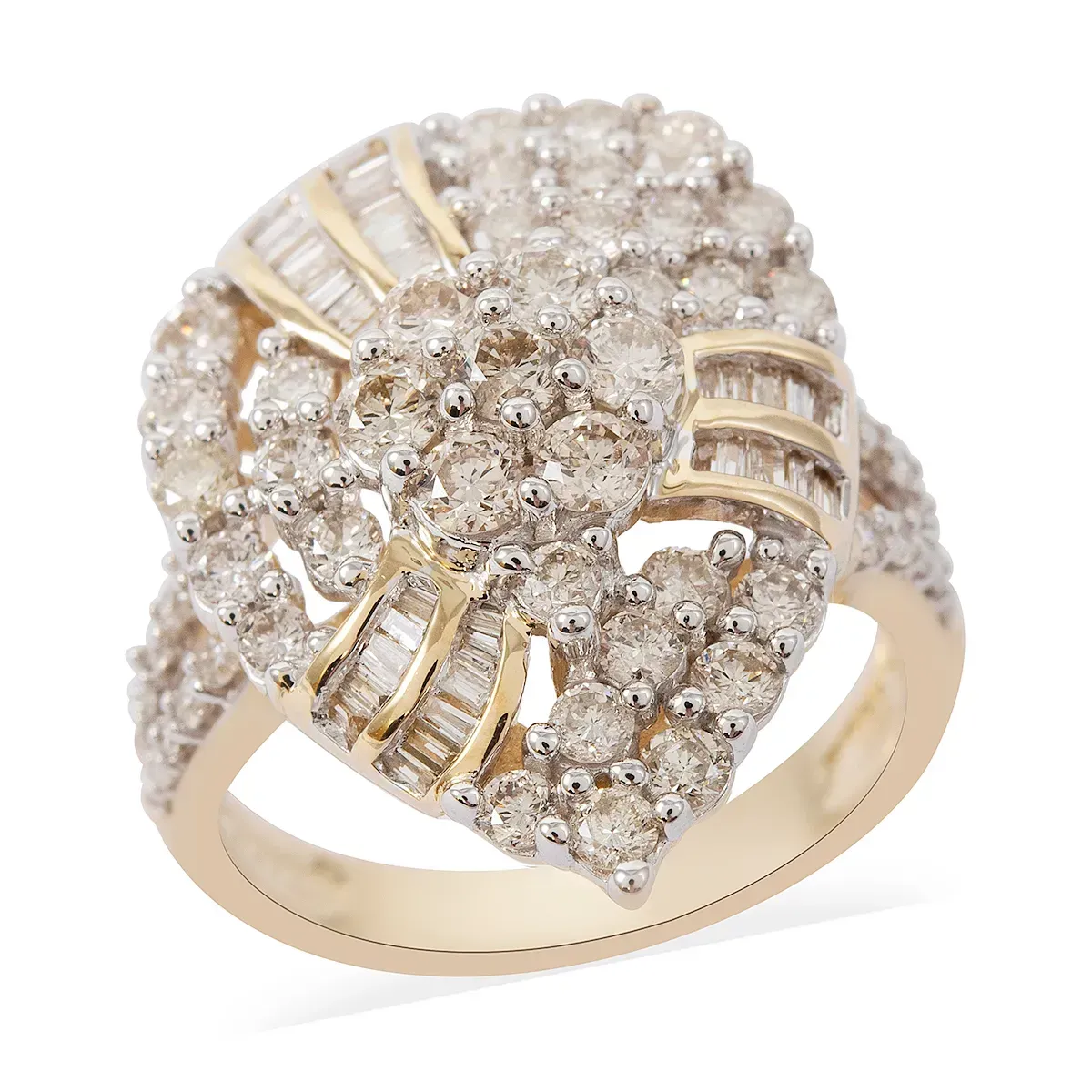
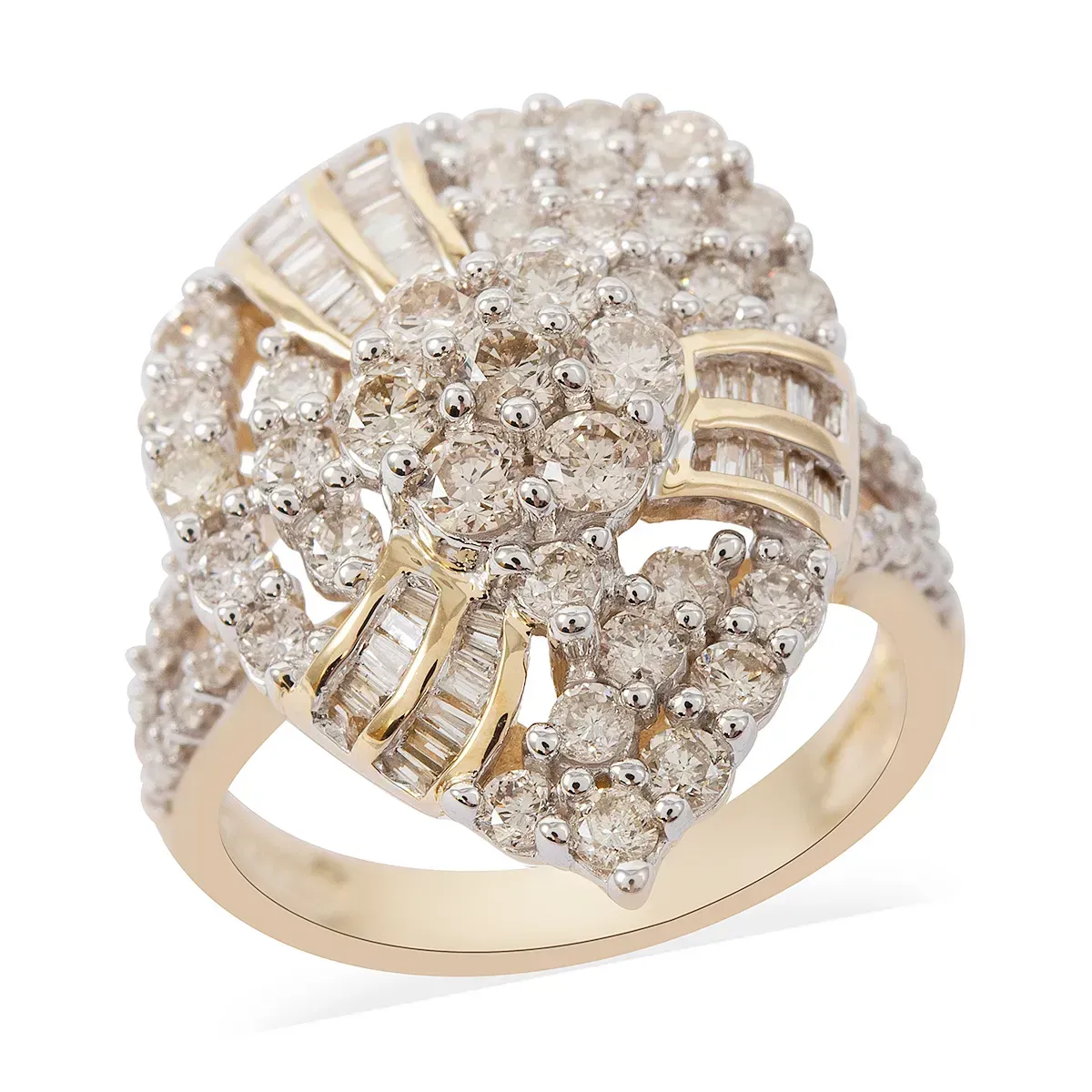
Does fluorescence affect the value of this diamond ring?
What is fluorescence in diamonds?
Experts estimate that up to 35 percent of diamonds will fluoresce. In diamonds, blue is the most commonly seen color, but other hues include orange, yellow, and white.
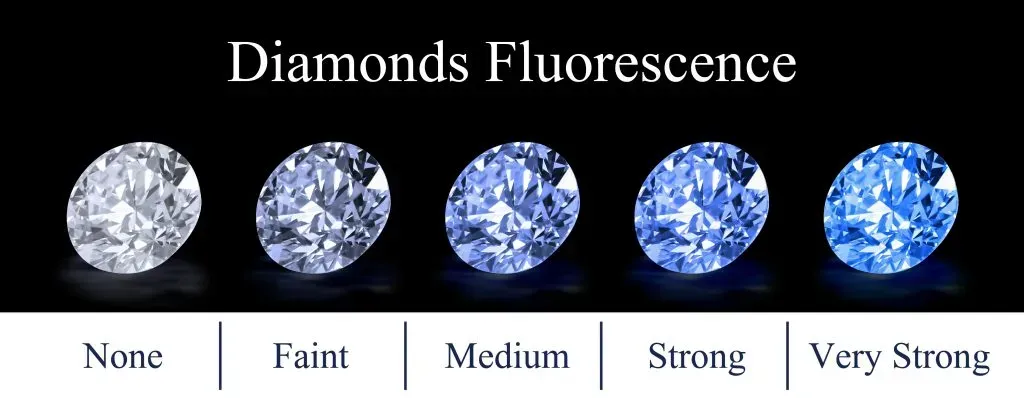
Examples of blue fluorescence in diamonds. For information purposes only.
Does fluorescence affect the value of diamonds?
This is a trickier question, as there are a few perspectives on how fluorescence affects a diamond's price.
Some dealers feel that fluorescence affects the perceived color of diamonds. But, opinions vary widely on the truth behind this. Mostly, they think fluorescence improves the appearance of diamonds in the middle Color range. Other times, dealers say it creates a "milky" or "oily" look in stones with a higher Color grade.
Conclusion
Diamond Fluorescence FAQ
Since this article was originally published, questions have been coming in. The following are some of the most frequently asked questions. Some are simply interesting and deserved further exploration!
How can fluorescence be identified at home or by an amateur?
Fluorescence in diamonds can be identified at home or by an amateur by using a UV light source, such as a black light. When you expose the diamond to the UV light in a darkened room, if the diamond exhibits fluorescence, it will glow.
Typically, the glow will be a blue color, which is the most common, but other colors like orange, yellow, or white can also occur. It's important to note that not all diamonds will fluoresce, and the strength of fluorescence can vary from none to very strong.
Always observe the diamond from different angles and in different lighting conditions to get a complete understanding.
Is there any historical context on when and why the perception of fluorescence in diamonds changed in the jewelry industry?
However, the perception shifted when lower-color diamonds were marketed as "blue-white," leading to the Federal Trade Commission banning the term in 1938. Negative views solidified in the 1970s when diamonds with strong fluorescence were deemed less transparent and therefore less valuable. The situation worsened with the over-grading of fluorescent diamonds' color in South Korea during the 1990s, causing a market aversion to such stones.
Nevertheless, fluorescent diamonds are still considered a significant portion of the global diamond supply, and recent studies suggest that consumers do not distinguish between diamonds with and without fluorescence. Today, the industry recognizes the potential of marketing fluorescent diamonds as a specialized product.
What are the specific situations in which fluorescence could be seen as beneficial, and can it be quantified?
- Improving Color Perception: Medium to strong blue fluorescence can make lower color grade diamonds (H and lower) appear whiter, effectively making the diamond look one color grade higher. This can be particularly advantageous if the diamond has a slight yellowish tint, as the blue glow can counteract this coloration.
- Cost Savings: A diamond with faint fluorescence may be priced lower, thus providing a more cost-effective option without significantly impacting the diamond’s brilliance or appearance.
- Visual Appeal: Some consumers may simply like the unique effect that fluorescence adds to a diamond under UV light, making it a specialized choice for individual preferences.
How does fluorescence interact with the other four C's of diamonds, and does it affect them?
However, fluorescence can influence the perception of a diamond's color; for example, blue fluorescence can make a diamond with a lower color grade appear less yellow and therefore whiter. Fluorescence is not graded in the same way as the Four Cs but is noted on grading reports as an identifying characteristic.
It's also important to note that fluorescence does not affect a diamond's sparkle, which is determined by the cut of the diamond. The cut dictates how well light performs when it strikes the diamond, affecting its sparkle and brilliance, irrespective of its fluorescence.
Can fluorescence ever be an indicator of a diamond’s origin or authenticity?
Fluorescence in diamonds is not a direct indicator of a diamond’s origin or authenticity. The presence of fluorescence is due to the diamond's response to UV light and is more of an identifying characteristic rather than a marker of its origin.
While certain diamond mines are known for producing diamonds with certain types of fluorescence, fluorescence alone is not a reliable indicator of a diamond's origin. Additionally, the authenticity of a diamond is not determined by fluorescence but by other factors and detailed analysis typically conducted by gemological institutions.
How does the market for fluorescing diamonds differ internationally?
Are there any famous diamonds known for their fluorescence, and what is their story?
Several famous diamonds are known for their fluorescence:
- The Hope Diamond: Famous for its deep blue color and weighing 45.52 carats, it exhibits a rare red fluorescence under UV light, adding to its mystique and the legends of curses surrounding it.
- The Blue Moon Diamond: A 12.03-carat blue diamond noted for its strong blue fluorescence, which enhances its beauty and is considered part of its appeal. It's one of the most valuable diamonds sold at auction due to its color, clarity, and fluorescence.
- The Regent Diamond: Displayed in the Louvre, this 140.64-carat diamond is known for its clear, cushion cut and emits a soft blue fluorescence under UV light, giving it an icy flame appearance that adds to its allure.
Comments
No comments yet. Be the first to comment!

⭐ Rate this Post & Leave a Comment ✍️