How to Sterilize Jewelry | Methods, Frequency, and More
Jewelry Care 101 Jewelry, whether worn for personal adornment, symbolic meaning, or fashion, is a ubiquitous part of our lives. While the beauty...
Shop With Us
Discover a seamless shopping experience with our curated selection of high-quality products. Whether you're looking for the latest trends, must have essentials, or exclusive deals.
Jewelry Care 101
Jewelry, whether worn for personal adornment, symbolic meaning, or fashion, is a ubiquitous part of our lives. While the beauty and style of these pieces often take center stage, it's equally important to consider their cleanliness and hygiene, especially when they are in direct contact with our skin for extended periods.
The subsequent sections of this guide will offer a thorough look into the world of jewelry sterilization, answering frequently asked questions and providing step-by-step instructions for several sterilization methods. We will explore home-based solutions and delve into professional sterilization techniques, discussing when each method is most appropriate.
The topics we will cover in this guide include:
- The importance of sterilizing jewelry.
- The general steps for sterilizing jewelry at home.
- Various methods of sterilization.
- Special sterilization methods for specific types of jewelry.
- Professional sterilization methods.
- Precautions and limitations in jewelry sterilization.
- Recommended frequency of jewelry sterilization.
By understanding and implementing jewelry sterilization, you can enjoy your pieces with the peace of mind that they are not only visually striking but also hygienic and safe to wear.
The Necessity of Sterilizing Jewelry
New Jewelry
Newly bought jewelry, despite its shiny, untouched appearance, may not be as clean as you think. During the manufacturing, shipping, and retail process, pieces can come into contact with a range of contaminants. These could include dust, chemical residues from production processes, or germs from being handled. Thus, sterilizing new jewelry before wearing it is a recommended practice to ensure it's clean and safe for wear.
Piercing Jewelry
Preventing Allergic Reactions
General Steps to Sterilize Jewelry at Home
The process of sterilizing jewelry at home is typically straightforward, requiring only a few common household items and a bit of time. While there are various methods available, most share some general steps in the cleaning process. It's important to remember that the specific cleaning requirements may vary depending on the material of your jewelry, which will be discussed in subsequent sections.
Preparation
The first step involves gathering your materials. For most methods, you'll need a clean bowl, the sterilizing agent of choice (such as rubbing alcohol or hydrogen peroxide), a soft cloth, and possibly a soft-bristled toothbrush for more intricate pieces. Ensure your working space is clean, and you're not wearing any cloth that could be damaged by the sterilizing agent.
Cleaning
Sterilizing
Next, soak your jewelry in the sterilizing solution. The duration of the soak will depend on the solution being used and the material of the jewelry. For instance, soaking in rubbing alcohol might take around 15-20 minutes, while a hydrogen peroxide soak might need a longer time.
Rinsing and Drying
In summary, sterilizing jewelry at home is a fairly straightforward process that can go a long way in prolonging the life of your jewelry and maintaining its aesthetic appeal. The specifics of this process can vary based on the sterilizing agent and the type of jewelry, which will be discussed in the following sections.
Various Methods of Sterilization
Different sterilization methods can be used depending on the type of jewelry, the materials it is made from, and personal preference. Here are some commonly used methods:
Alcohol Sterilization
Boiling
Hydrogen Peroxide
Ultrasonic Cleaning
Ultrasonic cleaners use high-frequency sound waves to clean and sterilize jewelry. They are particularly effective for pieces with hard-to-reach nooks and crannies. Keep in mind that not all jewelry is suitable for ultrasonic cleaning, particularly delicate pieces or those with certain gemstones.
Dishwasher Sterilization
Although not as common, some people sterilize their jewelry using a dishwasher. This method is only suitable for very durable and waterproof materials. It's essential to secure the pieces in a dishwasher-safe bag or container to prevent them from getting lost or damaged during the wash cycle.
While all these methods can be effective, it's crucial to match the method to the type of jewelry to avoid damaging your pieces. The following section will provide guidance on sterilizing specific types of jewelry.
Special Sterilization Methods for Specific Types of Jewelry
Piercing Jewelry
Silver and Gold Jewelry
Vintage Jewelry
Jewelry with Gemstones
Remember, it's essential to adjust your sterilization methods to suit the type of jewelry and materials at hand. When in doubt, consult with a jewelry professional to avoid unintentional damage to your pieces. With proper care and sterilization, your jewelry can retain its beauty and remain safe for use for years to come.
Professional Sterilization Methods
While home methods of sterilization can be highly effective, certain situations may necessitate professional methods, particularly for jewelry that penetrates the skin, such as piercing jewelry. In this section, we explore the most commonly employed professional sterilization technique: the autoclave.
Autoclave Sterilization
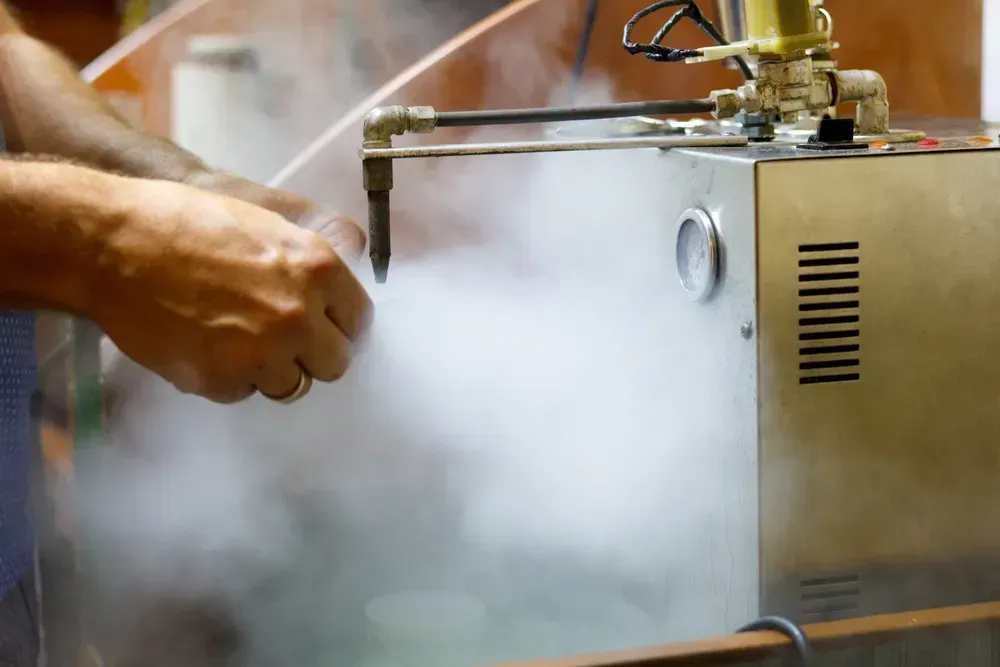
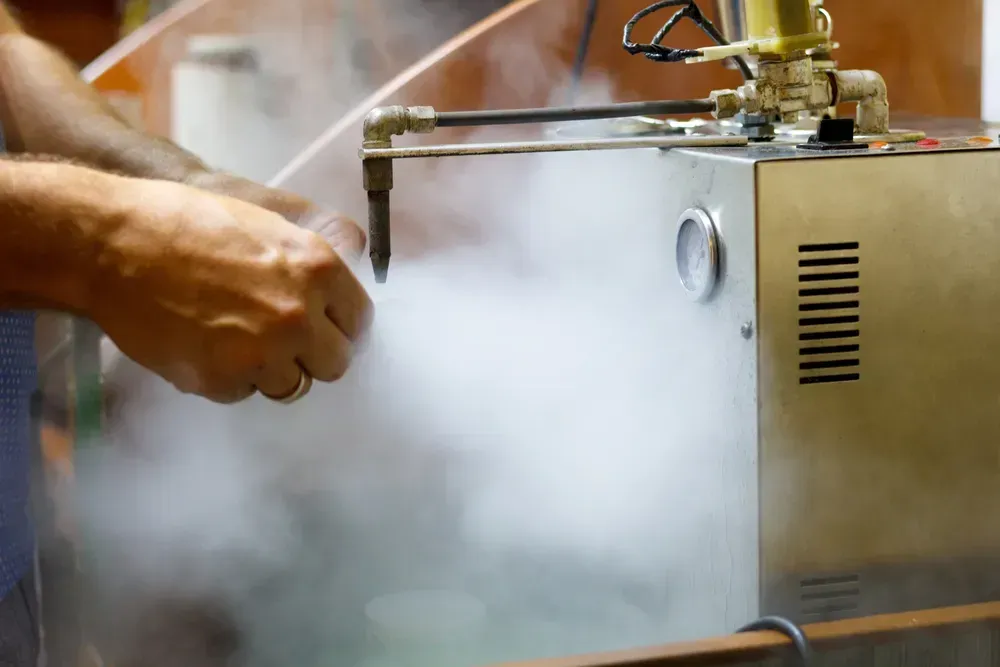
An autoclave is a device used to sterilize equipment and supplies by subjecting them to high pressure and steam at temperatures of 121°C or more. This is the standard method for sterilizing medical and laboratory equipment, and it's also the preferred method for sterilizing body piercing jewelry.
How it Works
The autoclave operates by creating a pressurized environment that raises the boiling point of water, allowing steam to reach temperatures that kill bacteria, viruses, and other microorganisms. The high-pressure steam penetrates all surfaces of the jewelry, ensuring thorough sterilization.
Why it's Effective
While most people don't have access to an autoclave at home, professional piercing studios and some jewelers do. It's always recommended to have new piercing jewelry autoclaved before use, and many piercing studios offer this service.
In summary, while there are several effective home methods for sterilizing jewelry, an autoclave is the most thorough professional method. However, access to an autoclave is generally limited to professional settings, so it's not typically a viable home solution.
Precautions and Limitations
While sterilizing jewelry is a crucial aspect of maintaining its aesthetic appeal and your health, there are a few precautions and limitations to be mindful of during the process. Here, we explore some key considerations to ensure safe and effective jewelry sterilization.
Understanding Material Limitations
Handling Jewelry
Frequency of Sterilization
While regular cleaning is beneficial, over-sterilization can potentially harm your jewelry, especially if harsh chemicals are frequently used. The recommended frequency of sterilization depends on the type of jewelry, how often it's worn, and the individual's skin sensitivity. Generally, jewelry worn regularly or in piercings should be sterilized more frequently than occasional pieces.
Professional Advice for Valuable Pieces
Allergies and Skin Sensitivity
Some individuals may have allergies or sensitivities to certain metals or cleaning agents. It's essential to rinse jewelry thoroughly after sterilization to remove any residues that might cause skin irritation. If irritation or allergic reactions occur, stop wearing the jewelry and consult a healthcare professional.
Sterilization Frequency
The frequency at which jewelry should be sterilized depends on various factors, including the type of jewelry, how often it's worn, and individual skin sensitivities. This section provides a general guide on how often to sterilize different types of jewelry.
Everyday Jewelry
Piercing Jewelry
Occasional Jewelry
Jewelry for Sensitive Skin
For individuals with sensitive skin or allergies, more frequent sterilization may be necessary to prevent skin irritation or allergic reactions. These individuals should sterilize their jewelry after each use.
Jewelry Exposed to Contaminants
Any jewelry exposed to potential contaminants, such as a ring worn during gardening or a watch worn during cooking, should be sterilized immediately after exposure.
Demystifying Jewelry Sterilization
Throughout this article, we've explored a range of sterilization methods suitable for various types of jewelry, from simple at-home methods like soaking in alcohol or boiling to more professional methods like autoclave sterilization.
Lastly, sterilizing your jewelry is an essential part of jewelry care. It helps to keep your pieces in their best condition, extends their lifespan, and reduces the risk of skin irritations or infections. By understanding and implementing the right sterilization methods for each piece, you can enjoy wearing your jewelry with confidence and peace of mind!
[jetpack_subscription_form show_subscribers_total="false" button_on_newline="false" custom_font_size="16" custom_border_radius="0" custom_border_weight="1" custom_padding="15" custom_spacing="10" submit_button_classes="" email_field_classes="" show_only_email_and_button="true"]
Comments
No comments yet. Be the first to comment!

⭐ Rate this Post & Leave a Comment ✍️