May Birthstone Emerald: Meaning, History, and Buying Guide
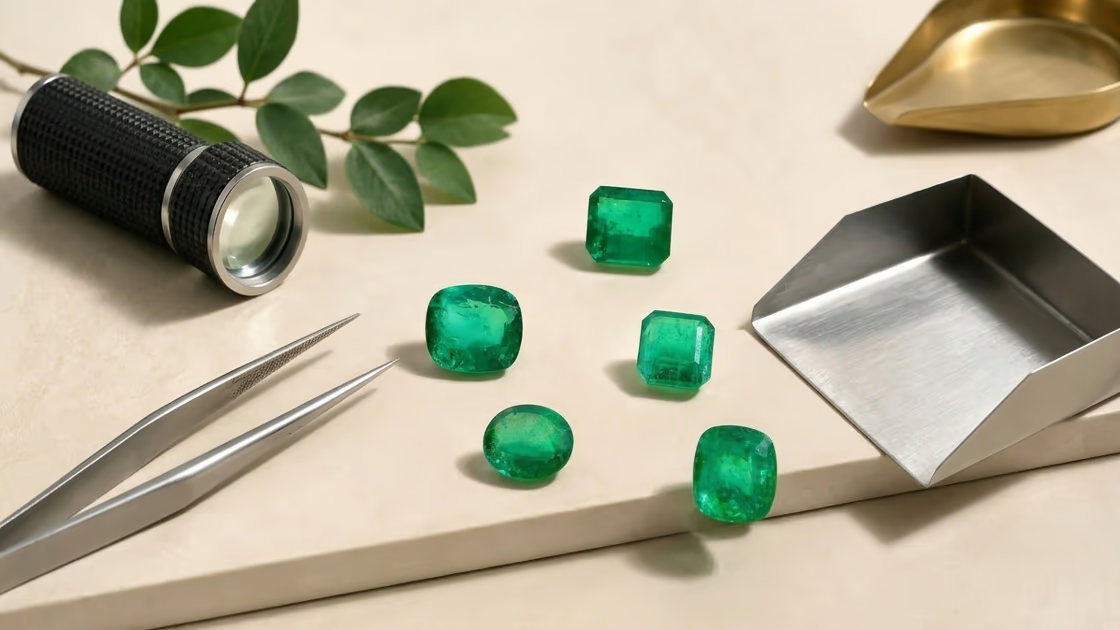
Emerald, the radiant May birthstone, is admired for its rich green hue and natural inclusions that symbolize beauty and depth. Steeped in history and meaning, it represents renewal, love, and wisdom. This guide helps you understand its significance and choose the perfect emerald jewelry with confidence.
Shop With Us
Discover a seamless shopping experience with our curated selection of high-quality products. Whether you're looking for the latest trends, must have essentials, or exclusive deals.
The rich, velvety green hues of Emerald along with inclusions have been captivating humans for thousands of years. This May birthstone carries centuries of legend, royal romance, and natural beauty.
Whether you're treating yourself or shopping for someone special, this guide walks you through everything you need to know before you buy emerald birthstone Jewlery.
What Makes Emerald the May Birthstone?
Have you ever wondered why certain gemstones get tied to certain months in the first place?
Best Sellers
Premium Kagem Zambian Emerald and Luxuriant Lab Grown Diamond Mosaic Pendant Necklace
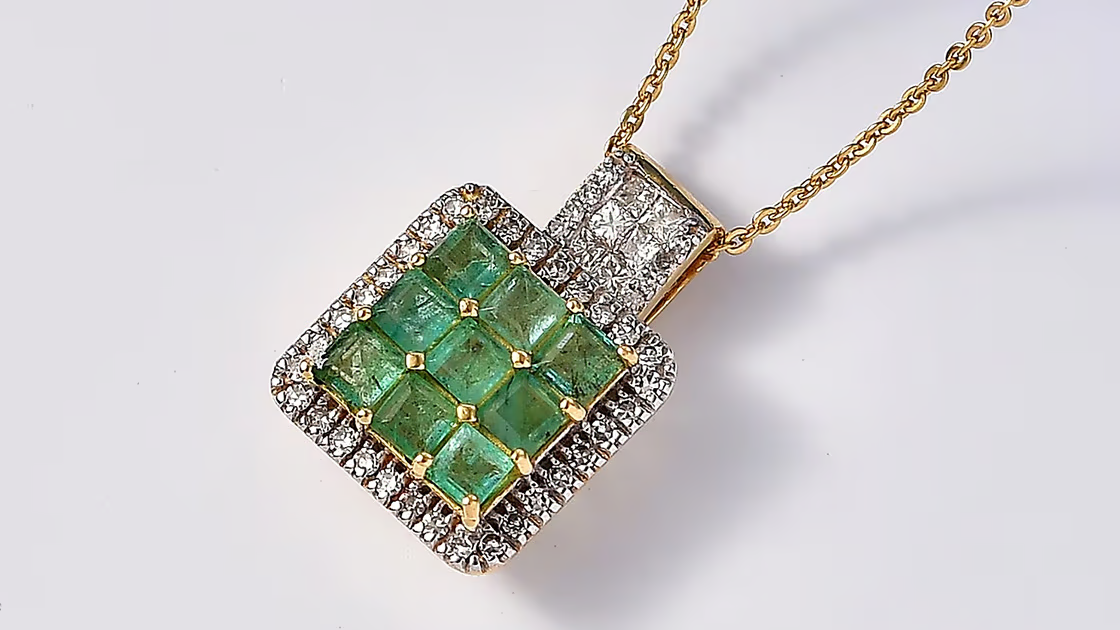
Celebrate refined luxury with this Kagem Zambian emerald birthstone pendant necklace, designed in a striking grid mosaic layout. Rich green emeralds pair beautifully with Luxuriant lab grown diamonds, creating a bold geometric sparkle in 18K vermeil yellow gold over sterling silver.
Premium Kagem Zambian Emerald and Luxuriant Lab Grown Diamond Grid Mosaic Ring
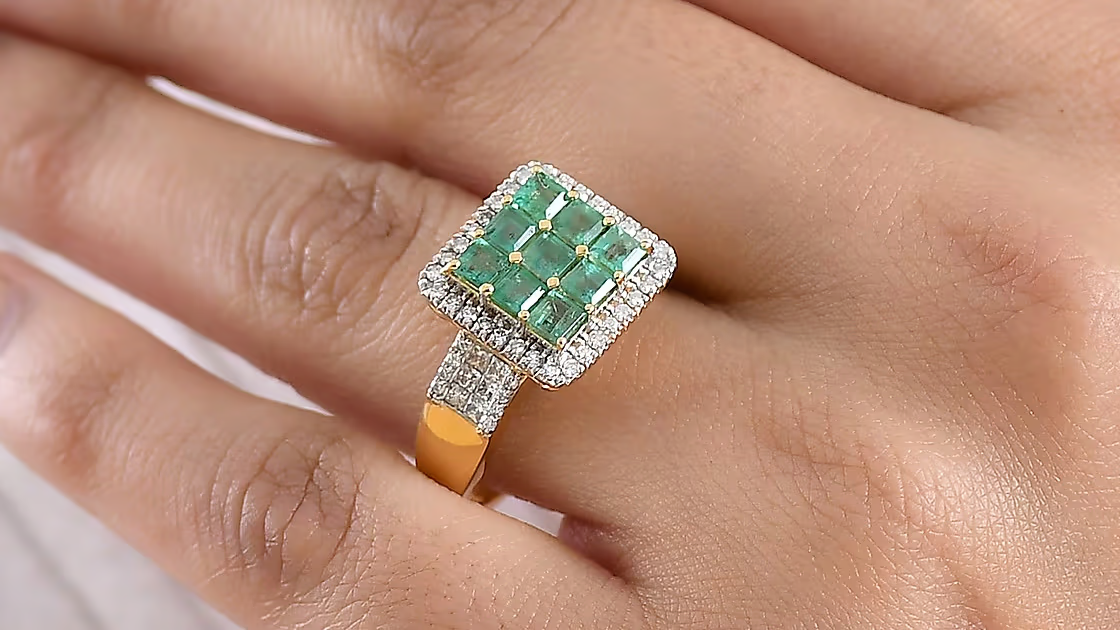
Steal the limelight with this Kagem Zambian emerald grid mosaic ring, crafted in 18K vermeil yellow gold over sterling silver. The rich emerald arrangement is framed with Luxuriant lab grown diamonds, creating exceptional brilliance and structured Art Deco-inspired appeal. Its geometric silhouette delivers a luxurious statement with timeless sophistication.
Luxoro Premium Kafubu River Emerald Tennis Bracelet
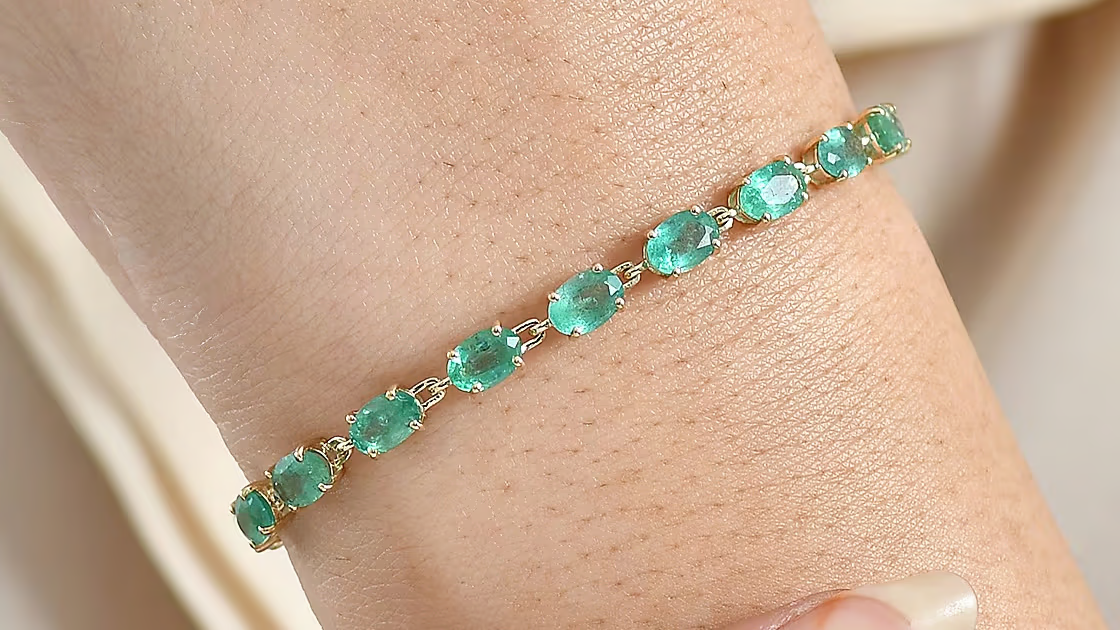
Elevate your jewelry collection with this Luxoro Kafubu River emerald tennis bracelet, crafted in radiant 10K yellow gold. The continuous line of vivid emeralds creates graceful brilliance, while the classic tennis silhouette delivers timeless sophistication and luxurious everyday elegance.
AAA Luxuriant Lab Grown Emerald Solitaire Stud Earrings
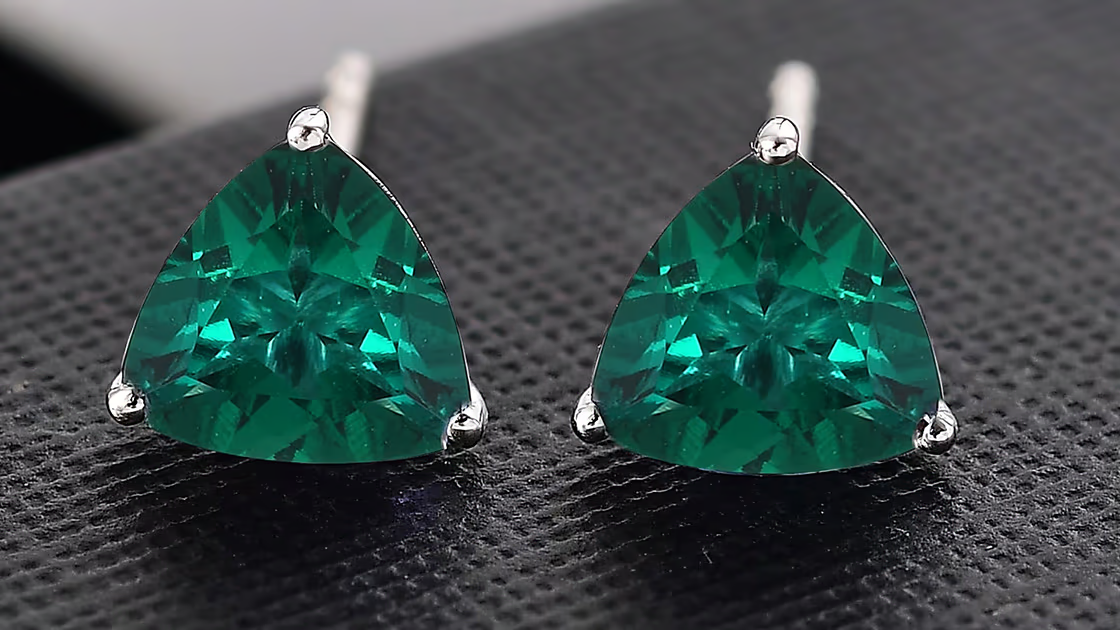
Add refined color to your look with these AAA Luxuriant lab grown emerald birthstone stud earrings. The trillion-cut solitaire design creates bold green brilliance, while 10K white gold adds a clean, polished finish for timeless everyday elegance.
Kagem Zambian Emerald and White Diamond Ring
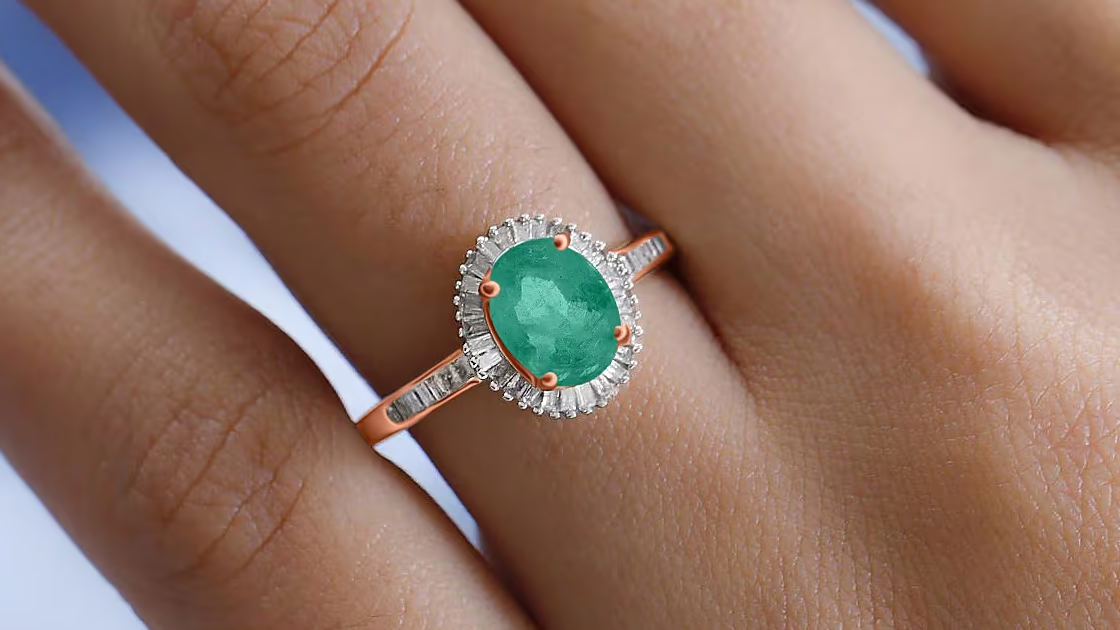
Adorn your hand with this Kagem Zambian emerald and white diamond ring, crafted in 18K vermeil rose gold over sterling silver. The oval emerald glows within a sparkling diamond halo, creating a romantic, refined look with timeless everyday elegance.
The History of Emerald Birthstone: From Ancient Egypt to Crown Jewels
Emeralds have been valued for at least 4,000 years. That's not an exaggeration.
Cleopatra famously adored emeralds and claimed the Egyptian mines near the Red Sea as her own. Ancient Egyptians buried emeralds with their dead as symbols of eternal youth. The Aztecs and Incas in South America considered them sacred, long before Spanish conquistadors arrived and shipped boatloads back to Europe. Those Colombian emeralds, from mines that are still producing today, became the most prized in the world.
The May birthstone hasn't lost any of that prestige. If anything, fine emeralds are rarer and more valuable today than ever.
Emerald Meaning and Symbolism: What This Stone Represents
Emerald birthstone has never been just a pretty stone. Every civilization that encountered it has a deep meaning to it.
Ancient Romans associated emerald with Venus, their goddess of love and beauty. The green color was believed to soothe tired eyes (Roman emperor Nero reportedly watched gladiator fights through an emerald lens for this reason). Medieval healers thought the stone could reveal truth and protect travelers.
Across South Asian traditions, emerald has long been connected to the planet Mercury and used in astrological jewelry worn for focus and communication.
Today, emeralds are broadly associated with love, loyalty, and wisdom. It's believed by many to promote emotional balance and mental clarity. Some people feel a strong pull toward emeralds during stressful periods, associating the stone's calm green with a sense of grounding. Of course, these are personal and cultural beliefs rather than proven facts, but the emotional resonance of this may birthstone has persisted across millennia for a reason.
If you're shopping for an anniversary gift, it's worth knowing that emerald is the traditional gemstone for 20th and 55th wedding anniversaries. That history of love and loyalty runs deep.
What to Look for When Buying an Emerald Birthstone
Color — The Most Important Factor
The finest emeralds display a vivid green hue with rich saturation that feels deep, vibrant, and alive. Stones that appear overly dark or carry too much yellow are usually considered less desirable. The most valued emeralds have a bright, balanced green that seems to glow naturally from within.
Clarity — Natural Inclusions Are Expected
Unlike diamonds, emeralds are naturally expected to contain inclusions. These tiny internal features are often called “jardin,” a French word meaning garden, because of their moss-like appearance inside the stone. Minor inclusions are considered normal and rarely reduce an emerald’s appeal. What matters most is whether those inclusions noticeably affect the gemstone’s beauty or durability.
Cut — Designed for Beauty and Protection
Cut plays an major role in how much color and brilliance an emerald would reflect. The classic emerald cut, known for its rectangular shape and trimmed corners, was specifically developed for this gemstone. A well-cut emerald feels balanced, elegant, and visually appealing.
Carat Weight — Rarity Grows with Size
Carat weight measures size of a gemstone, with one carat equal to 0.2 grams. As size increases, value rises significantly because high-quality large emeralds are likely less common in nature.
Natural vs. Lab-Created Emeralds Birth Stone: Which One Is Right for You?
This question comes up constantly, and there's no single right answer.
Lab-created emeralds birthstones (also called synthetic emeralds or created emeralds) are made in laboratories using the same chemical process that happens in nature, just speeded up dramatically. They have the exact same chemical makeup as natural emeralds, the same hardness, the same color, and the same physical properties. What they don't have is the rarity that drives natural emerald prices up. A lab-created emerald birthstone typically costs significantly less for the same visual quality.
If you're shopping for everyday wear or want something in budget, a lab-created emerald birthstone is a great option. If provenance, rarity, and investment value matter to you, you can opt for naturally mined as well.
How to Care for Your Emerald Jewelry
Emeralds usually come in a size of 7.5 to 8 on the Mohs scale. That makes them fairly durable for everyday jewelry, but they need a bit of extra attention compared to a diamond.
Most natural emeralds birthstones are treated with oils or resins to fill small surface fractures and improve how they look. This is a standard, accepted industry practice. It does mean you should avoid ultrasonic cleaners (the vibrating machines many jewelers use, which can dislodge or damage the treatment inside the stone) and steam cleaning. Both can strip the oils and leave your emerald looking duller.
The safest way to clean an emerald is with warm water, a tiny drop of mild dish soap, and a soft toothbrush. After Rinsing thoroughly pat dry with a lint-free soft cloth. Remember to store it separate from hard stones like diamonds or sapphires to avoid scratches and damages don't forget to remove your emerald jewelry before applying lotions, perfumes, or cleaning products. These small habits will keep your stone looking for its best for years.
Frequently Asked Questions
What is the birthstone for May?
Emerald is the May birthstone. It's one of the four precious gemstones, alongside diamond, ruby, and sapphire.
What color is a real emerald?
Natural emeralds range from light to deep green, often with a slight blue or yellow undertone. The most prized color is a vivid, pure green with strong saturation.
Is emerald an expensive gemstone?
Fine natural emeralds can be extremely valuable, sometimes exceeding diamond prices per carat. Lab-created emeralds offer the same look at a much lower price point.
Can I wear emerald birthstone jewelry every day?
Yes, and infact if it's your birth month, we advise you to wear it daily. Avoid harsh chemicals, ultrasonic cleaners, and storing them next to harder stones. A simple cleaning routine keeps it beautiful.
What does giving an emerald mean?
Emerald birthstones are traditionally associated with love, loyalty, and wisdom. It's a meaningful gift for birthdays, anniversaries, and milestone moments.
Conclusion
Emerald is loved for its rich green beauty, deep symbolism, and lasting elegance. Whether natural or lab-created, it makes a meaningful choice for everyday jewelry and special milestones.
Comments
No comments yet. Be the first to comment!

⭐ Rate this Post & Leave a Comment ✍️