Metals Used in Gold Jewelry | A Complete Guide
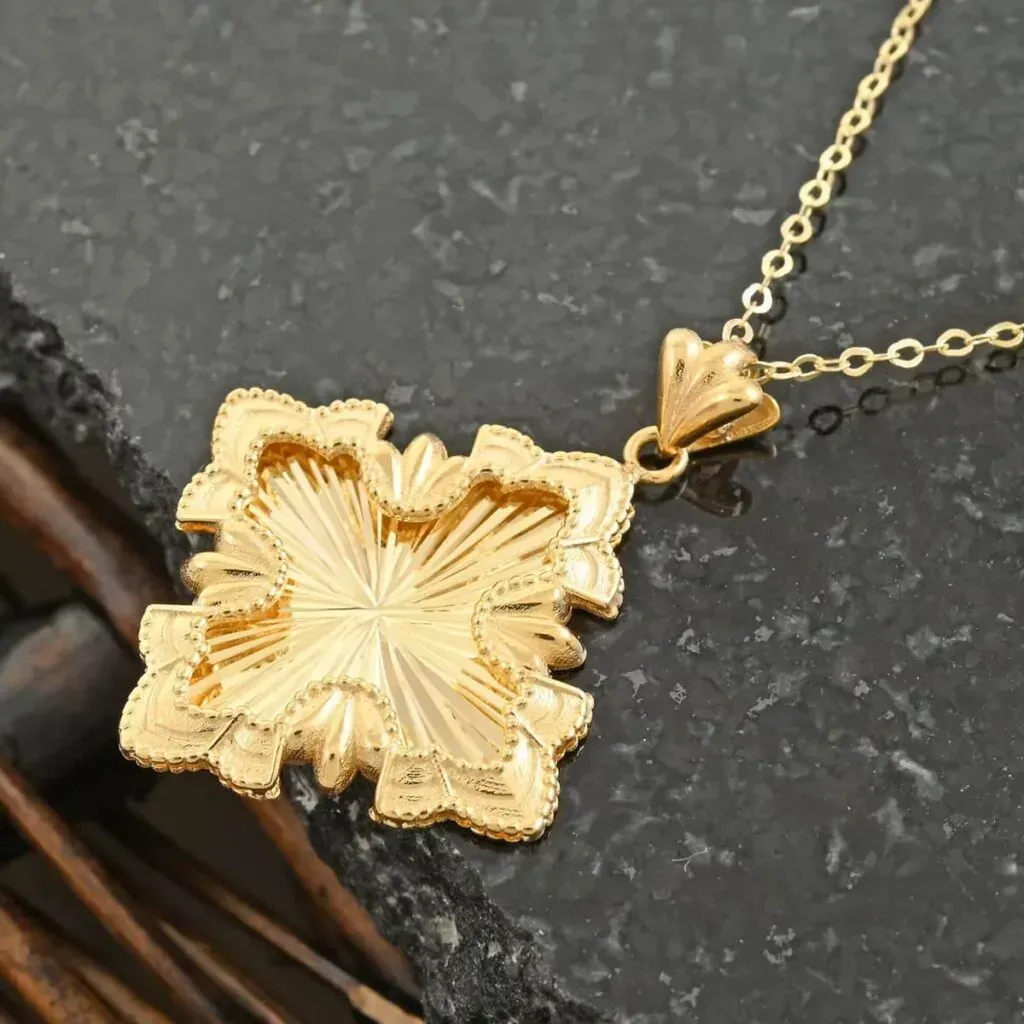
What are the Metals used in Gold Jewelry? Gold, a precious metal known for its luster and malleability, has been used in jewelry for thousands of...
Shop With Us
Discover a seamless shopping experience with our curated selection of high-quality products. Whether you're looking for the latest trends, must have essentials, or exclusive deals.
What are the Metals used in Gold Jewelry?
Gold, a precious metal known for its luster and malleability, has been used in jewelry for thousands of years. Its unique properties make it highly desirable for various types of adornments. In its pure form, gold is a bright yellow color, but it can be too soft for many jewelry applications. Therefore, gold is often mixed with other metals to form alloys, enhancing its durability and enabling variations in color.
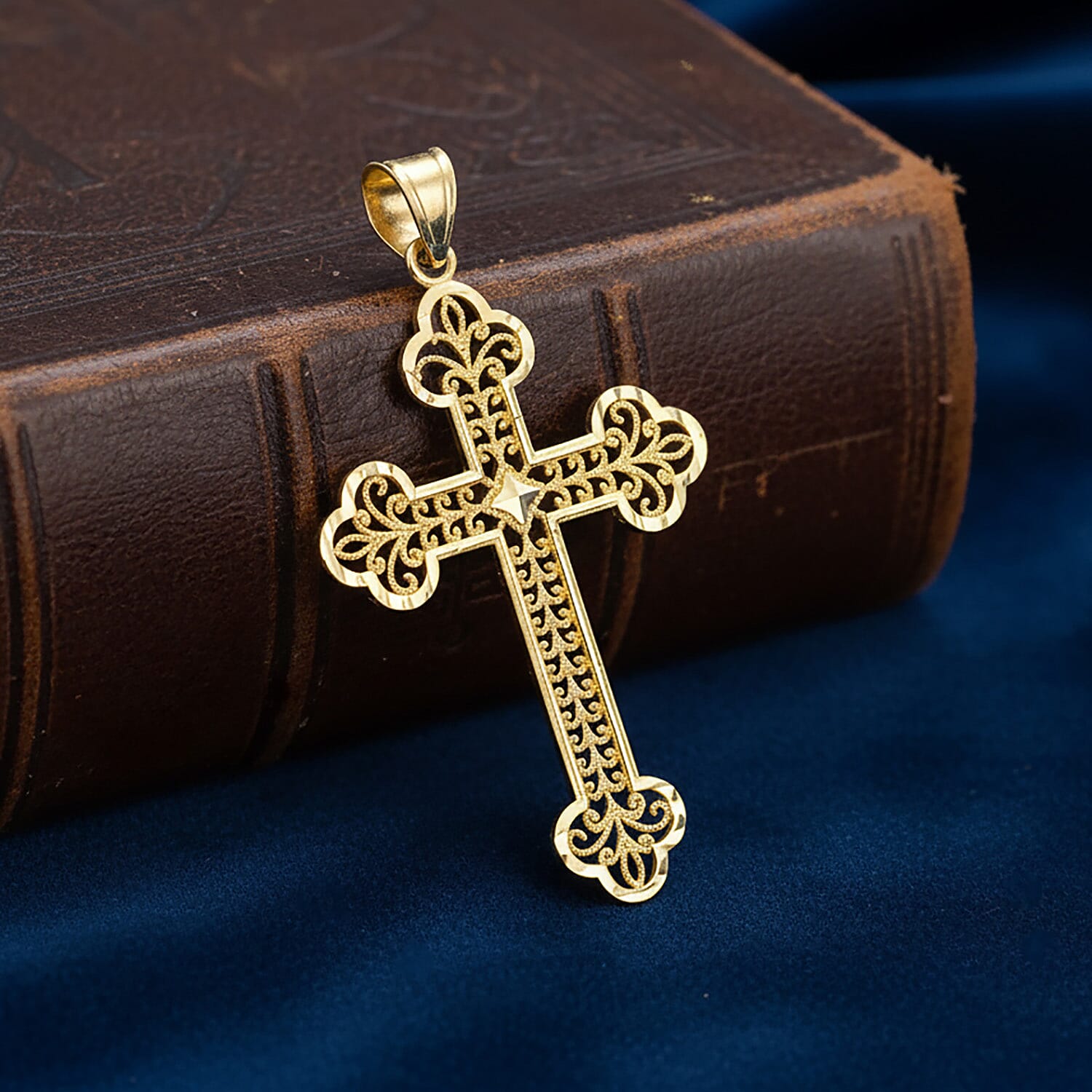
Gold Purity
Karat
Percentage of Gold
Alloyed Metals
24k
100%
Pure Gold
18k
75%
25% Other Metals
14k
58.3%
41.7% Other Metals
10k
41.7%
58.3% Other Metals
Purpose of the Article
Understanding the Purity of Gold in Jewelry
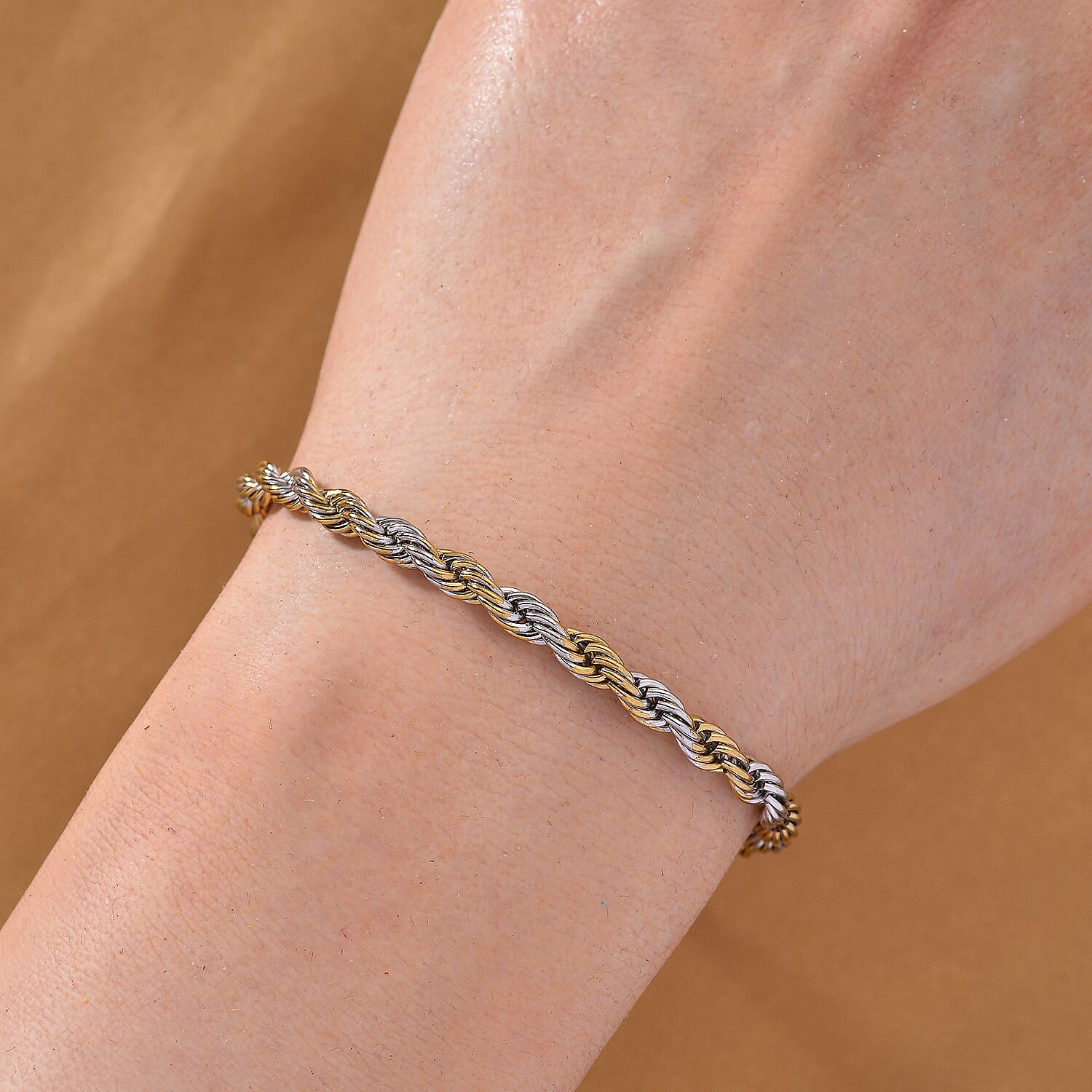
Karat System
The karat system is used to describe the purity of gold, with 24 karats representing pure, unalloyed gold. The karat value tells us the fraction of gold in the alloy out of 24 parts. Here's a table showing the relationship between karats, the percentage of gold, and typical alloying metals.
Karat
Percentage of Gold
Common Alloying Metals
24k
100%
None (Pure Gold)
18k
75%
Copper, Silver, Zinc
14k
58.3%
Copper, Silver, Nickel
10k
41.7%
Copper, Silver, Zinc
Impact on Appearance and Durability
- 24 Karat Gold: This is pure gold and has a bright yellow color. It's soft and can be prone to scratching and bending, so it's less commonly used in everyday jewelry.
- 18 Karat Gold: Containing 75% gold, 18k gold offers a good balance between color and durability, retaining a rich gold hue while being more resistant to wear.
- 14 Karat Gold: With a slightly paler color, 14k gold is used widely in jewelry as it offers greater durability at a more affordable price.
- 10 Karat Gold: The most durable but also the least gold-like in appearance, 10k gold is often used in pieces that need to withstand significant wear and tear.
Significance in Jewelry Making
Understanding gold purity is essential in jewelry making, as different purities offer different characteristics:
- Color: Higher karats have a more intense gold color, while lower karats can range from pale yellow to even white or rose, depending on the alloying metals.
- Durability: Lower karat golds, with a higher percentage of harder alloying metals, tend to be more robust and wear-resistant.
- Price: The higher the gold content, the more valuable the piece, with 24k gold being the most expensive and 10k being more affordable.
- Allergenic Properties: Certain alloys, especially those containing nickel, might cause allergies. Knowing the gold purity and alloy composition can guide those with sensitivities.
Common Metals Mixed with Gold
Gold is often mixed with other metals to create alloys, as pure gold is too soft for most jewelry applications. These alloys not only enhance durability but can also change the color and other characteristics of the gold. Here is an overview of common metals mixed with gold and their effects on the properties of the resulting alloy.
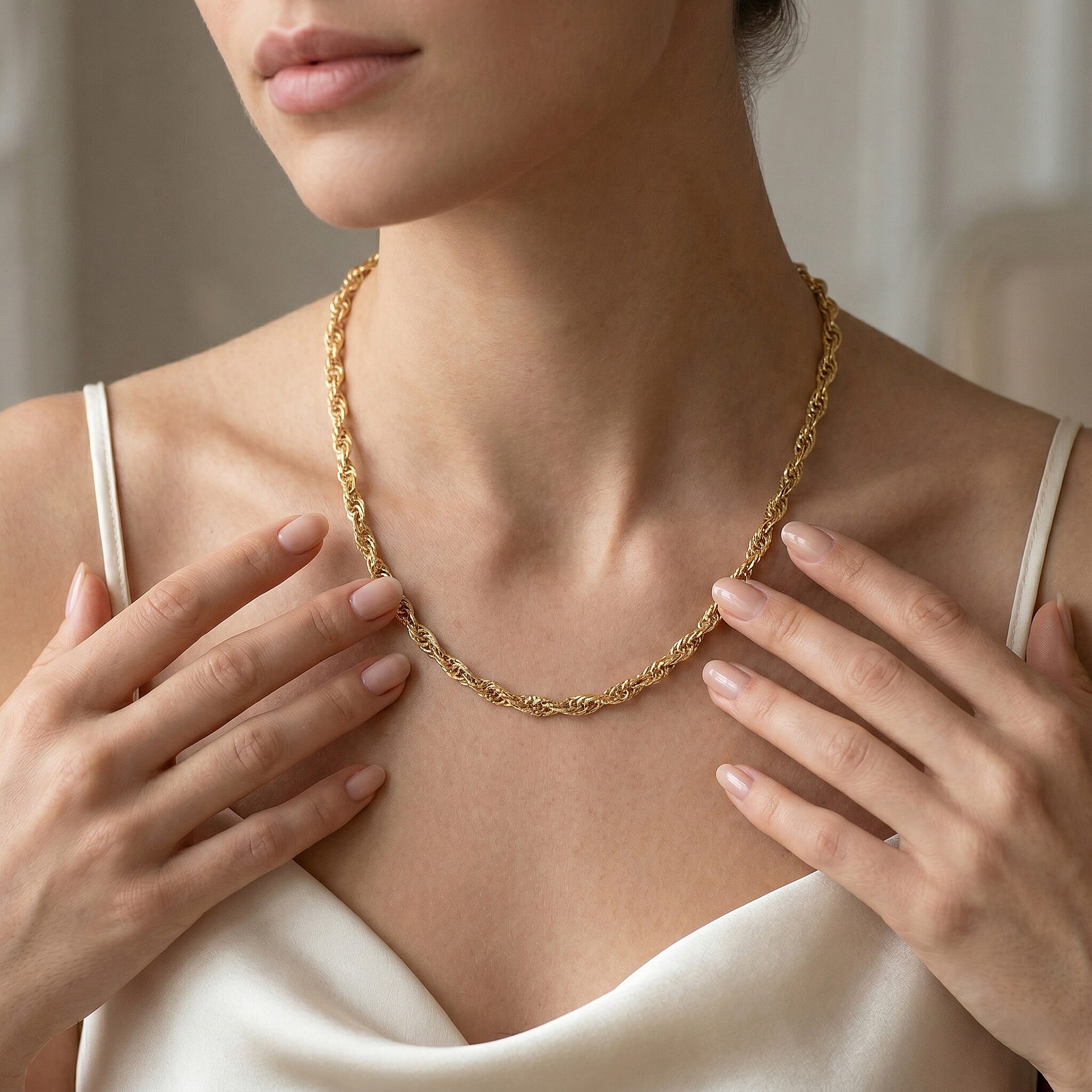
Silver
- Use in Alloys: Often mixed with gold to create white or greenish colors.
- Effects: Adds strength without compromising malleability, affects color.
Copper
- Use in Alloys: Widely used to create red or rose gold.
- Effects: Adds durability and creates a reddish color when used in higher quantities.
Nickel
- Use in Alloys: Common in white gold alloys.
- Effects: Increases strength, but can cause allergic reactions in some wearers.
Palladium
- Use in Alloys: Used in some white gold to replace nickel.
- Effects: Adds strength, creates a whiter color, hypoallergenic.
Zinc
- Use in Alloys: Often combined with copper and gold.
- Effects: Enhances hardness and helps with color control.
Metal
Common Use
Effects on Gold Alloy
Silver
White/Greenish Gold
Adds strength, affects color
Copper
Red/Rose Gold
Increases durability, reddish color
Nickel
White Gold
Increases strength, potential allergenicity
Palladium
White Gold (Nickel Alternative)
Adds strength, whiter color, hypoallergenic
Zinc
Mixed Alloys
Enhances hardness, color control
Alloys and Jewelry Types
- Wedding and Engagement Rings: Often made from stronger alloys like 14k or 18k white gold, utilizing metals like nickel or palladium for strength and appearance.
- Decorative Pieces: May use more colorful alloys like rose gold, combining copper and gold.
- Everyday Wear: Durability is key, so metals like copper, zinc, and silver may be used to increase wear resistance.
The metals mixed with gold play an essential role in determining the appearance, strength, price, and even hypoallergenic properties of gold jewelry. By understanding these common metals and their effects, you can make informed decisions about the composition and quality of gold jewelry pieces. This knowledge also aids in appreciating the craftsmanship and innovation that goes into creating various types of gold jewelry, catering to diverse tastes, needs, and budgets.
Why Alloys are Used in Gold Jewelry
Alloys in gold jewelry are not merely a matter of aesthetics or cost-saving measures; they serve essential functional roles in enhancing the properties of gold! Pure gold, or 24 karat gold, is soft and can be easily bent or scratched. Alloys are used to modify gold's natural characteristics, making it suitable for various jewelry applications. Here's a comprehensive examination of why alloys are used in gold jewelry.
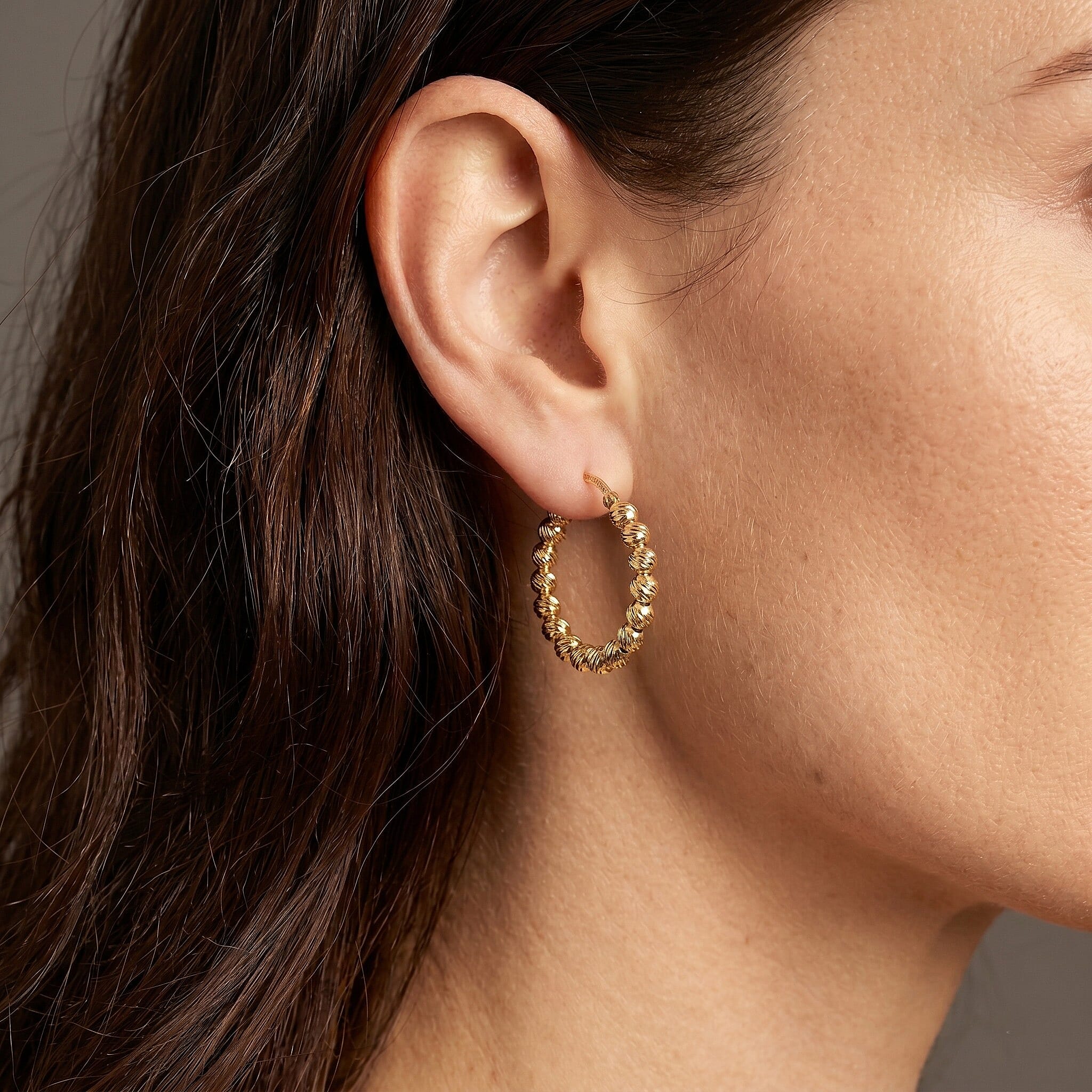
Durability Enhancement
- Hardening Effect: Metals like copper, zinc, and nickel are added to gold to make it harder and more wear-resistant.
- Everyday Wear: The enhanced durability makes gold alloys suitable for rings, bracelets, and other items subjected to regular wear and tear.
Color Alterations
- Yellow Gold: Created with a mix of copper, silver, and gold.
- White Gold: Achieved by mixing gold with nickel or palladium and often coated with rhodium for a bright white finish.
- Rose Gold: The addition of copper imparts a rosy hue.
- Green Gold: An alloy with silver can result in a greenish tint.
Cost Management
- Lower Karat Gold: By reducing the gold content and using other metals, manufacturers can produce more affordable pieces.
- Market Demand: Different alloys can cater to various market segments and preferences.
Hypoallergenic Options
- Nickel Alternatives: Palladium can be used in white gold to avoid the allergenic properties of nickel.
- Customization: Special alloys can be created to suit individual sensitivities or preferences.
Ethical Considerations
- Responsible Sourcing: Alloys may include metals that are sourced responsibly, aligning with ethical considerations in jewelry production.
Purpose
Metals Commonly Used
Effect on Gold Jewelry
Durability
Copper, Zinc, Nickel
Hardening, wear resistance
Color Variation
Copper, Silver, Palladium
Altering hue to white, rose, green
Cost Control
Various Alloys
Making pieces more affordable
Hypoallergenic Options
Palladium, Specific Alloys
Tailoring to individual sensitivities
Ethical Considerations
Responsibly Sourced Metals
Aligning with ethical production standards
Colors of Gold: From Yellow to Rose and White
Gold's natural color is a bright yellow, but through alloying with different metals, it can be transformed into a spectrum of hues, including white, rose, and even green. These varying colors allow for unique and customized designs in jewelry, catering to diverse preferences and styles. Here's an exploration of the different colors of gold and the alloys responsible for these variations.
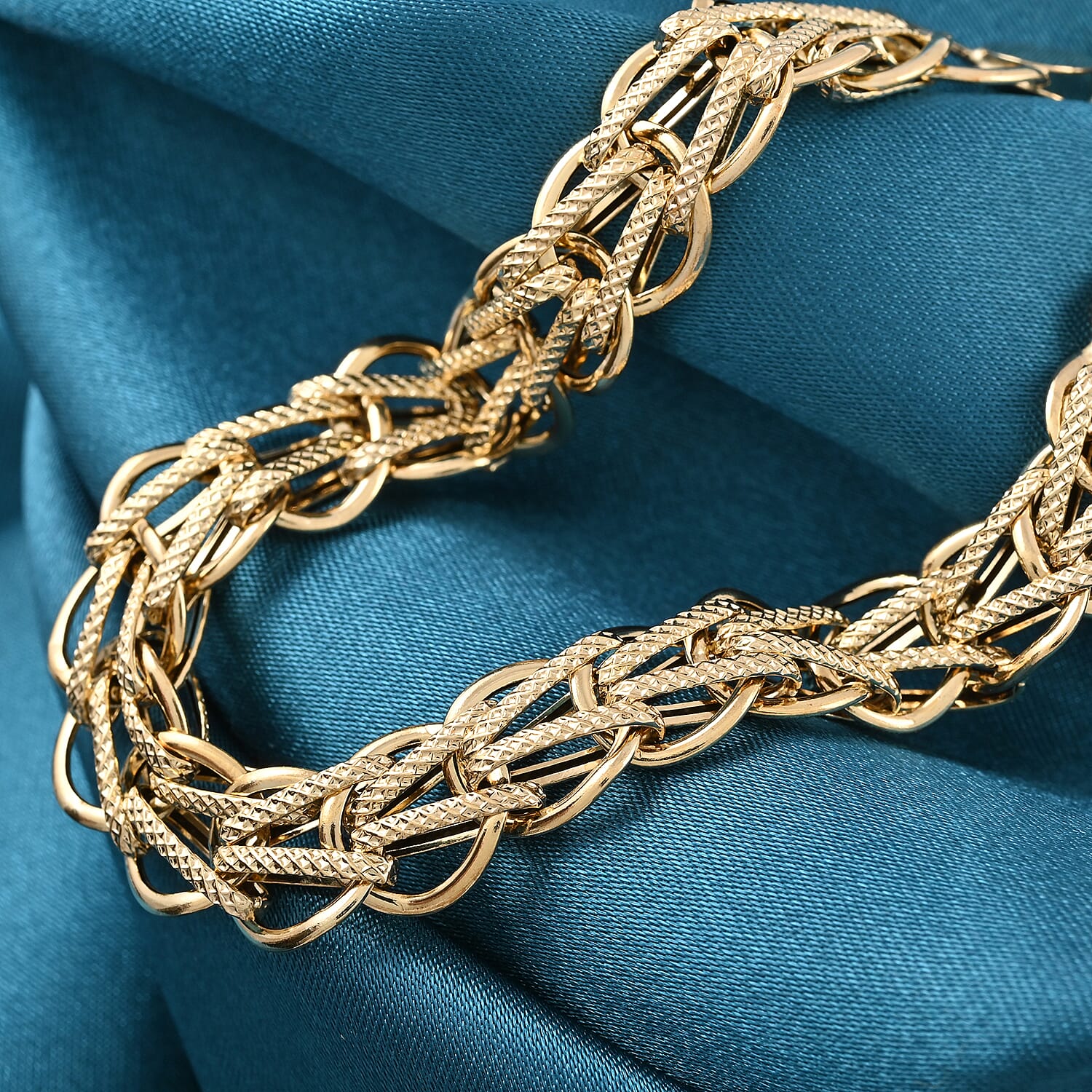
Yellow Gold
- Composition: Typically an alloy of gold, copper, and silver.
- Characteristics: Retains gold's natural color but with added strength.
- Usage: Traditional choice for wedding bands and classic jewelry designs.
White Gold
- Composition: An alloy of gold with white metals like nickel or palladium.
- Characteristics: Has a silvery-white color, often coated with rhodium for a bright finish.
- Usage: Popular in modern jewelry like engagement rings.
Rose Gold
- Composition: Gold mixed primarily with copper.
- Characteristics: The copper gives a beautiful rosy or pink hue.
- Usage: Trending in contemporary designs, including watches and bracelets.
Green Gold
- Composition: An alloy of gold with a significant percentage of silver.
- Characteristics: Gives a subtle greenish tint.
- Usage: More rare, used in specialized artistic pieces.
Color
Composition
Usage & Characteristics
Yellow Gold
Gold, Copper, Silver
Traditional, retains natural gold color
White Gold
Gold, Nickel/Palladium, Rhodium coating
Modern, bright white finish
Rose Gold
Gold, Copper
Contemporary, rosy or pink hue
Green Gold
Gold, Silver
Specialized, subtle green tint
Crafting Techniques and Trends
- Two-Tone and Multi-Tone Designs: Combining different colors of gold in a single piece allows for intricate and contrasting designs.
- Cultural Influences: Certain colors may have cultural significance, such as yellow gold in Asian wedding jewelry.
- Fashion Trends: Colors like rose gold have seen surges in popularity tied to fashion trends.
The colors of gold in jewelry are not mere superficial variations but are deeply rooted in the art and science of metallurgy. Through the careful choice and proportion of alloying metals, gold can be transformed into a palette of beautiful hues, each carrying its distinct aesthetic and emotive qualities. From the timeless elegance of yellow gold to the contemporary charm of rose gold, the colors of gold are a testament to the creativity and craftsmanship that define the world of fine jewelry. Whether to align with tradition, resonate with personal taste, or make a bold artistic statement, the colors of gold offer endless possibilities for expression and adornment.
Allergenic Concerns in Gold Jewelry
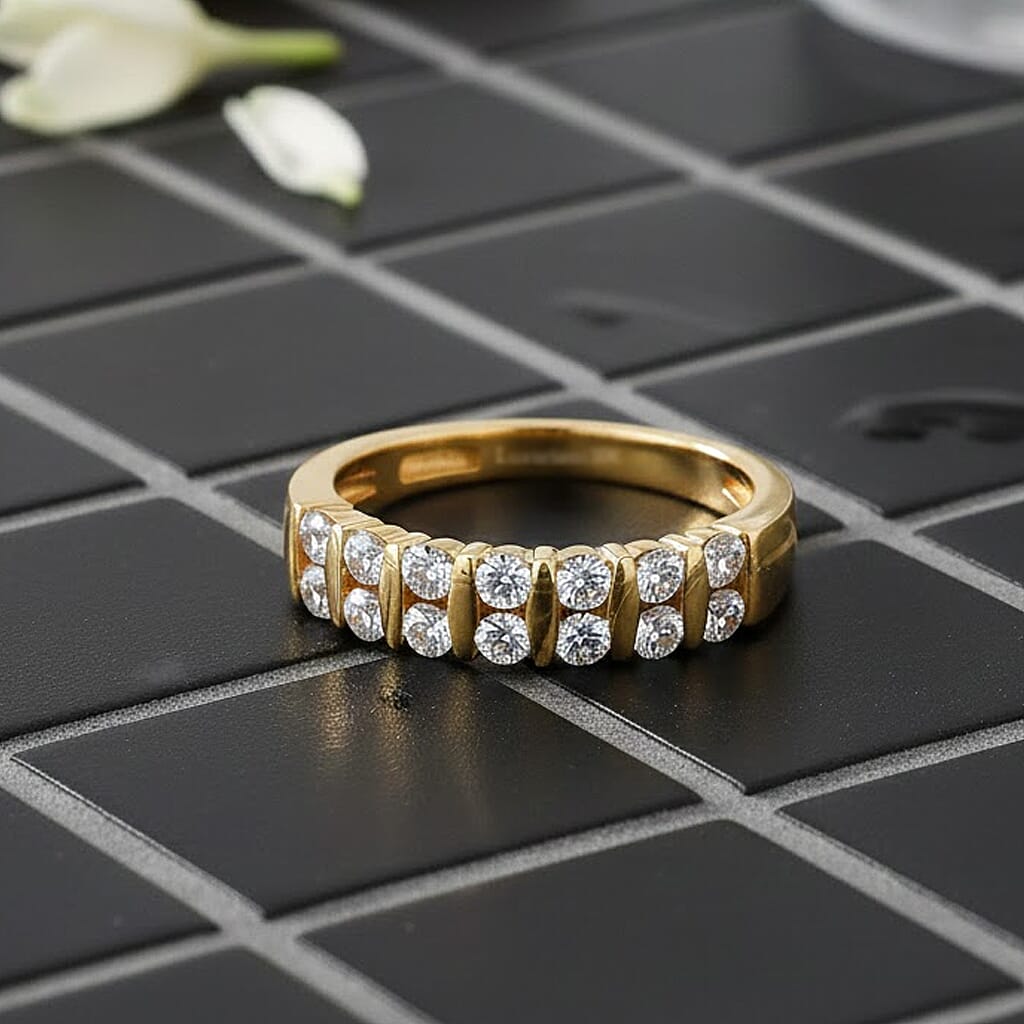
Common Allergenic Metals in Gold Alloys
- Nickel: The most common cause of allergic reactions in gold jewelry.
- Cobalt: Less common but can also cause skin irritation.
Symptoms of Allergic Reactions
- Skin Irritation: Redness, itchiness, or rash where the jewelry contacts the skin.
- Severity: Can range from mild discomfort to more pronounced symptoms requiring medical attention.
Prevention and Care
- Know Your Alloys: Understanding the composition of gold jewelry and avoiding alloys with known allergens.
- Seek Professional Guidance: Consulting with jewelers or dermatologists to choose suitable jewelry.
- Proper Cleaning: Regular cleaning and maintenance can reduce the risk of irritation.
Hypoallergenic Alternatives
- Higher Karat Gold: Typically contains fewer alloying metals that might cause reactions.
- Palladium Alloys: Palladium can replace nickel in white gold, offering a hypoallergenic option.
- Specialized Products: Some manufacturers produce gold jewelry specifically labeled as hypoallergenic.
Gold Plating vs. Solid Gold
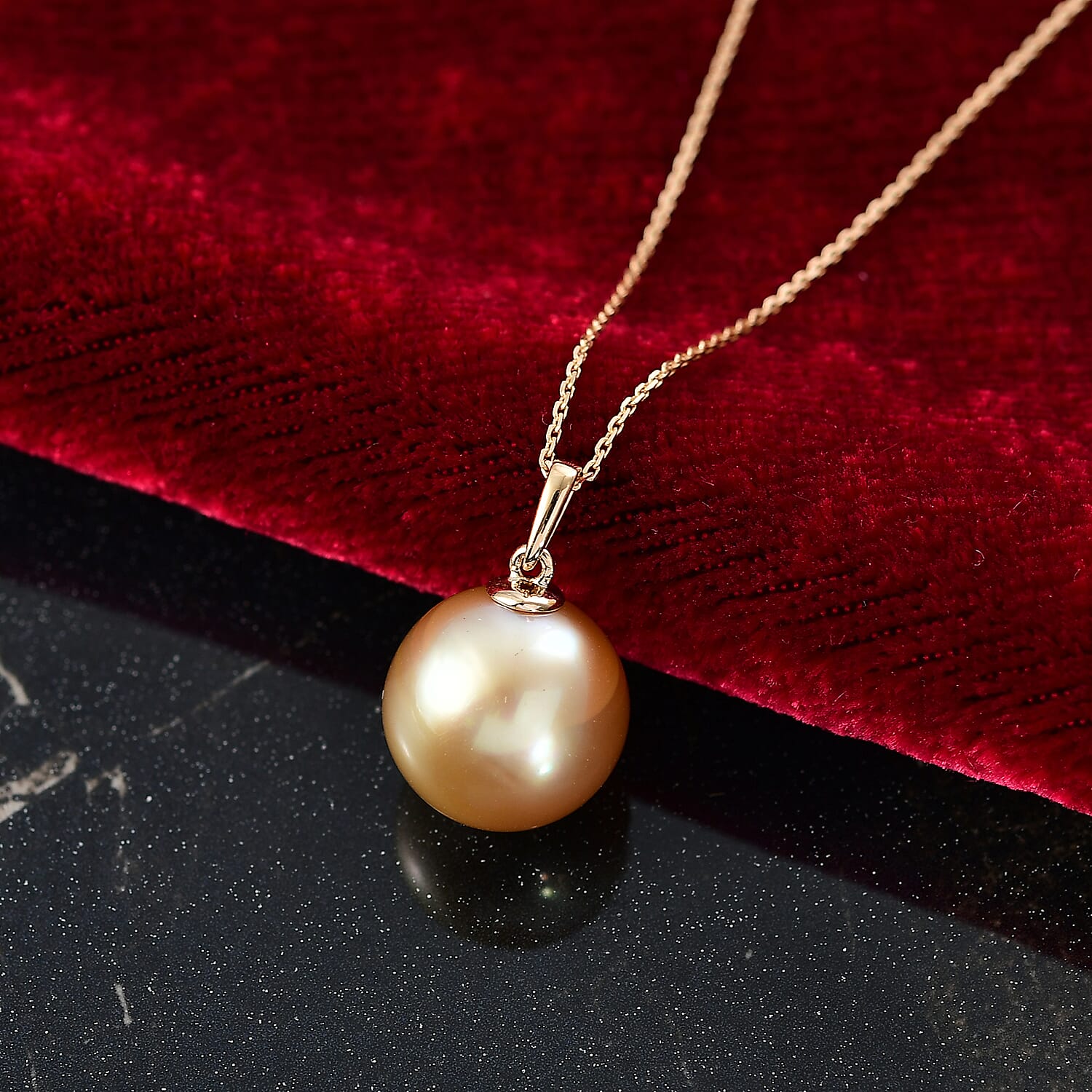
Gold Plating
- Definition: A thin layer of gold applied to the surface of another metal.
- Advantages: More affordable, allows for a gold appearance without the high cost.
- Disadvantages: Can wear off over time, may cause allergic reactions if base metal contains allergens.
- Common Uses: Costume jewelry, pieces intended for occasional wear, budget-friendly options.
Solid Gold
- Definition: Jewelry made from gold alloys that contain gold throughout the piece, not just on the surface.
- Advantages: Durable, retains value, less likely to cause allergic reactions if made with hypoallergenic alloys.
- Disadvantages: More expensive due to the higher gold content.
- Common Uses: Investment pieces, heirlooms, wedding and engagement rings, high-end jewelry.
Aspect
Gold Plating
Solid Gold
Composition
Thin layer of gold on base metal
Gold alloy throughout
Cost
Affordable
More expensive
Durability
Can wear off; less durable
Long-lasting; retains value
Allergic Concerns
Potential if base metal contains allergens
Generally safer with proper alloys
Appearance
May deteriorate over time
Consistent appearance
Uses
Costume, occasional wear
Investment, heirlooms, daily wear
Choosing Between Gold Plating and Solid Gold
- Budget Considerations: Gold plating offers a gold appearance at a lower cost, while solid gold is a more significant investment.
- Intended Use: For daily or lifelong wear, solid gold may be preferable; gold plating may be suitable for occasional or fashion pieces.
- Aesthetic Preferences: Solid gold offers a consistent appearance over time, while gold plating may change as the layer wears off.
- Ethical and Allergenic Considerations: Knowing the composition of both the gold plating and solid gold allows consumers to make informed decisions based on allergies or ethical sourcing.
Care and Maintenance of Gold Jewelry with Different Alloys
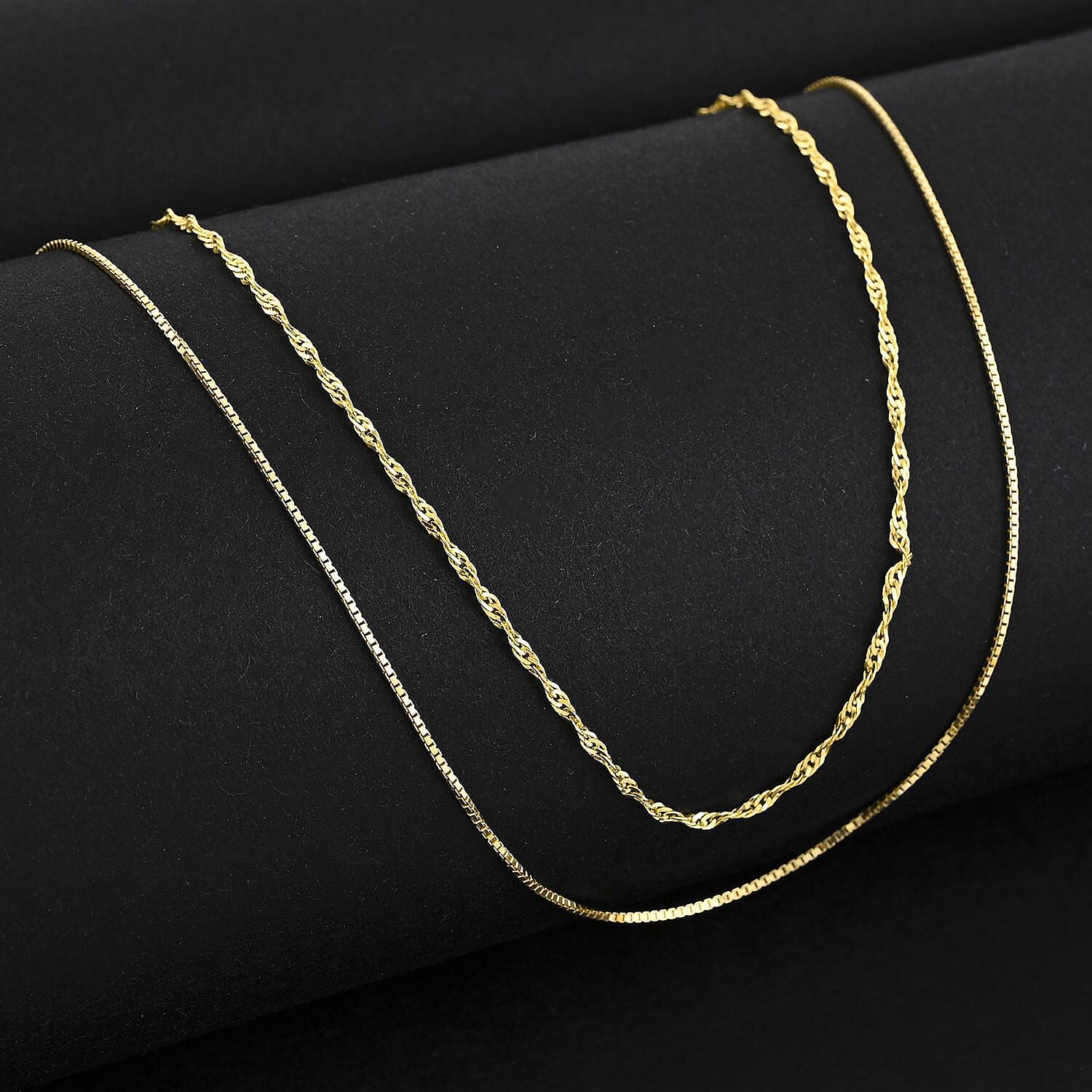
Understanding the Alloys
- Yellow Gold: Often alloyed with copper and silver.
- White Gold: Often contains nickel or palladium.
- Rose Gold: Primarily mixed with copper.
- Green Gold: Alloyed with silver.
- Solid Gold vs. Plated: Different care needs based on composition.
General Care Guidelines
- Cleaning: Gentle cleaning with a soft cloth and mild detergent.
- Storage: Separate compartments or soft pouches to prevent scratching.
- Avoid Harsh Chemicals: Certain chemicals can damage or discolor the gold.
- Professional Inspection: Regular check-ups with a jeweler can prevent potential problems.
Specific Care Based on Alloys
- Yellow Gold: Regular polishing to maintain shine; watch for tarnishing.
- White Gold: May require re-rhodium plating over time to maintain brightness.
- Rose Gold: Monitor for changes in color, especially if exposed to strong light or chemicals.
- Plated Gold: Extra caution to avoid wear on the plating; may require professional re-plating.
Alloy Type
Specific Care Needs
General Maintenance
Yellow Gold
Polishing, watch for tarnish
Cleaning, storage, avoid harsh chemicals
White Gold
Re-rhodium plating if needed
Same as above plus professional inspection
Rose Gold
Monitor color changes
Same as above
Plated Gold
Extra caution, professional re-plating if necessary
Same as above
Solid Gold
Tailor care based on specific alloy composition
Same as above
Understanding Karat and Care
- Higher Karat Gold: Generally more delicate and requires gentler care.
- Lower Karat Gold: May be more durable but requires monitoring for tarnish or discoloration.
The care and maintenance of gold jewelry are essential practices to preserve the luster, color, and durability of these precious pieces. Understanding the specific alloys used in the jewelry can inform the correct care practices, from regular cleaning to professional servicing. Both general guidelines and alloy-specific care contribute to prolonging the life and beauty of gold jewelry, allowing them to be cherished and enjoyed across generations. Through mindful care and appreciation of the unique characteristics of different alloys, wearers and caretakers can honor the craftsmanship and value embodied in gold jewelry, reinforcing the timeless connection between art, material, and adornment. Whether a beloved family heirloom or a modern fashion statement, proper care ensures that gold jewelry continues to shine, reflect, and resonate with the personal and cultural expressions it holds.
Resale and Investment Considerations
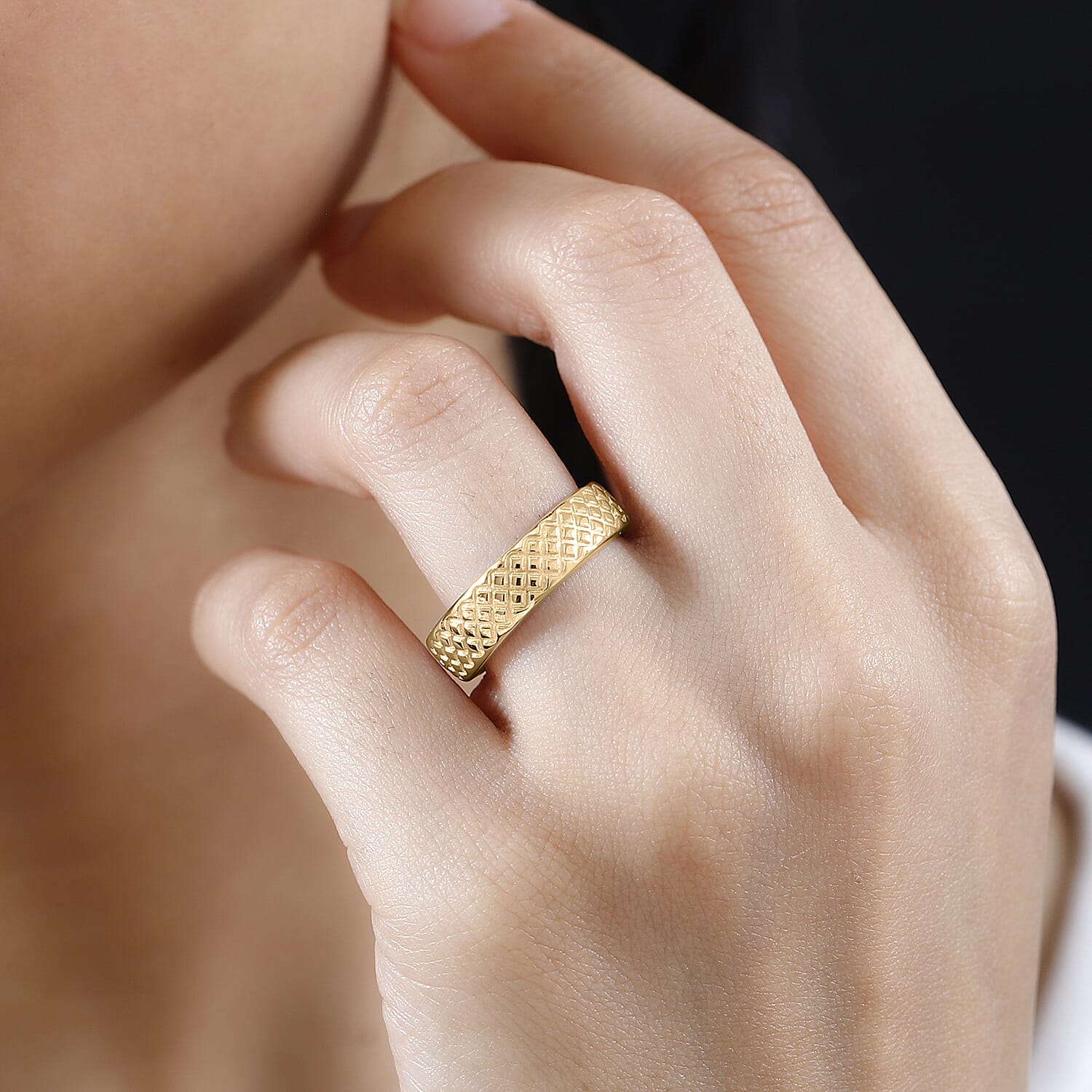
Investing in Gold Jewelry
- Choosing the Right Alloy: Different alloys may have different investment potentials.
- Quality and Craftsmanship: Investment-grade pieces usually emphasize quality materials and expert craftsmanship.
- Brand Consideration: Established brands may hold value better.
- Market Trends: Understanding market demands and trends for particular alloys or styles.
Resale Considerations
- Gold Purity: Higher karat gold typically has a higher resale value.
- Condition: Well-maintained pieces with minimal wear and tear.
- Documentation: Having original documents, certifications, and appraisals can enhance value.
- Demand: Certain styles or alloys might be more sought after in the resale market.
- Economic Factors: The price of gold and market conditions can affect resale value.
Alloys and Resale Value
- Yellow Gold: Often considered classic, with generally stable demand.
- White Gold: Value can depend on the specific alloying metals and current trends.
- Rose Gold: May have fluctuating demand based on fashion trends.
- Solid Gold vs. Plated: Solid gold generally has a higher resale value compared to plated items.
Alloy Type
Investment Considerations
Resale Considerations
Yellow Gold
Classic appeal, stable demand
Purity, condition, demand
White Gold
Alloy components, current trends
Same as above, trend-dependent
Rose Gold
Trend-dependent, unique appeal
Same as above, fashion fluctuations
Plated Gold
Lower investment potential
Lower resale value, condition critical
Solid Gold
Quality, craftsmanship, brand
Generally higher resale value
Ethical Considerations
- Sourcing: Ethically sourced gold and responsible mining practices can be a factor for some investors.
- Certifications: Recognitions like Fair Trade can influence both investment and resale considerations.
Ethical Considerations in Gold and Metal Sourcing
The sourcing of gold and other metals used in jewelry can raise significant ethical considerations. As the global demand for gold continues to rise, there is an increasing focus on the social, environmental, and economic implications of gold mining and metal extraction. This section explores the ethical considerations involved in the sourcing of gold and other metals used in jewelry, providing insights into responsible practices, certification, and consumer choices.
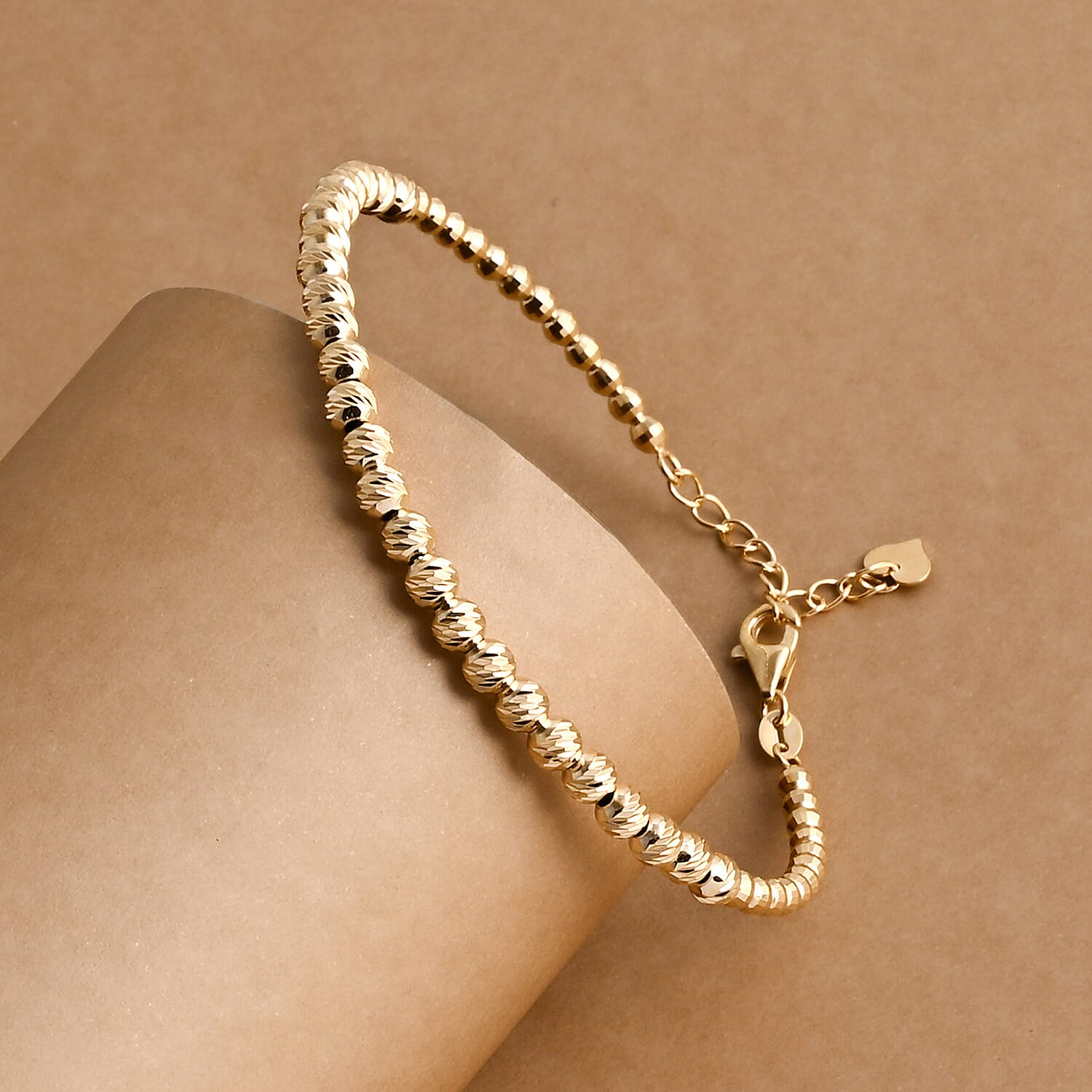
Social Considerations
- Labor Practices: Ensuring fair labor conditions, including proper wages, safe working conditions, and the prohibition of child labor.
- Community Impact: Assessing the impact on local communities, including potential displacement, health risks, and social wellbeing.
- Human Rights: Adhering to international human rights standards, including respecting indigenous rights and cultural heritage.
Environmental Considerations
- Ecosystem Impact: Evaluating the potential harm to ecosystems, including deforestation, soil erosion, and water contamination.
- Waste Management: Implementing responsible waste disposal and minimizing harmful byproducts.
- Sustainable Practices: Encouraging practices that minimize environmental damage and promote sustainable development.
Economic Considerations
- Fair Trade: Ensuring that small-scale miners receive a fair price for their products.
- Economic Development: Supporting local economies through responsible investment and community development programs.
- Transparency: Maintaining transparent sourcing practices and supply chain management.
Certifications and Standards
- Fairtrade Gold: Certification ensuring that gold is sourced from small-scale miners who meet strict social, environmental, and economic standards.
- Responsible Jewellery Council (RJC): An international standard promoting responsible ethical, social, and environmental practices throughout the jewelry supply chain.
- Conflict-Free: Adhering to regulations that prevent the sourcing of materials from conflict zones.
Consumer Choices
- Educated Purchasing: Consumers can seek out jewelry that adheres to ethical sourcing practices.
- Brand Responsibility: Recognizing brands that prioritize ethical sourcing and responsible practices.
- Custom and Local Options: Supporting local artisans who use recycled or responsibly sourced materials.
Ethical Considerations in Sourcing
Consideration
Details
Social
Labor practices, community impact, human rights
Environmental
Ecosystem impact, waste management, sustainability
Economic
Fair trade, economic development, transparency
Certifications
Fairtrade Gold, Responsible Jewellery Council, conflict-free standards
Consumer Responsibility
Educated purchasing, brand responsibility, support for ethical options
Alchemy and Artistry
The exploration of the metals used in gold jewelry encompasses a multifaceted journey through the world of artistry, science, economics, and ethics. From understanding the purity and alloys used to the care, resale, and ethical considerations, each aspect plays a vital role in the comprehensive understanding of gold jewelry.
Key Insights
- Understanding Alloys: The intricate science behind different alloys, their characteristics, and their impact on jewelry's appearance, durability, and value.
- Care Considerations: The delicate balance of maintaining the beauty and integrity of gold jewelry through proper care, specific to the type of alloy.
- Investment and Resale: Viewing gold jewelry not just as adornment but also as a potential investment, with considerations around different alloys.
- Ethical Considerations: The growing importance of ethical considerations in sourcing gold and other metals, reflecting a global responsibility.
Connecting Art and Science
- Gold jewelry represents a blend of art and science, where the mastery of metallurgy meets aesthetic expression.
- Understanding alloys and their properties enhances the appreciation of craftsmanship and the cultural significance of jewelry.
Social and Economic Impact
- The global gold jewelry market has both social and economic implications, influencing labor practices, environmental stewardship, and consumer choices.
- Recognizing the interplay between these factors is essential for responsible consumption and production.
Future Considerations
- The evolving landscape of technology, consumer preferences, and regulatory frameworks will continue to shape the world of gold jewelry.
- Sustainable practices, innovations in materials science, and a renewed focus on ethical considerations are likely to be central themes.
Final Thoughts
Comments
No comments yet. Be the first to comment!

⭐ Rate this Post & Leave a Comment ✍️