Most Expensive Gemstones : Ultimate Guide to precious stone
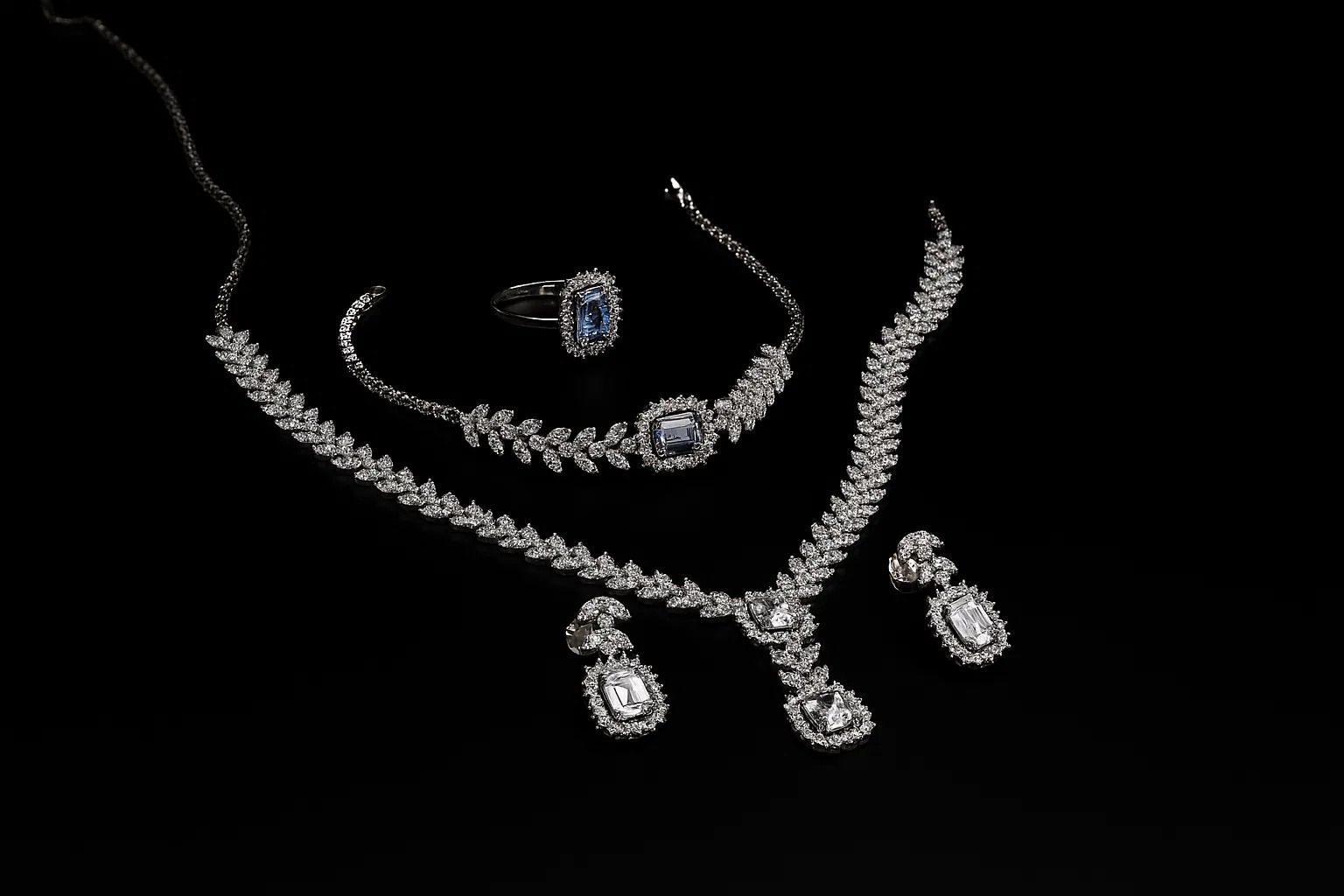
Explore the world's most expensive gemstones, their skyrocketing prices in 2025, origins, and smart buying tips. Find rare beauties like blue diamonds and rubies, plus affordable options from trusted sources.
Shop With Us
Discover a seamless shopping experience with our curated selection of high-quality products. Whether you're looking for the latest trends, must have essentials, or exclusive deals.
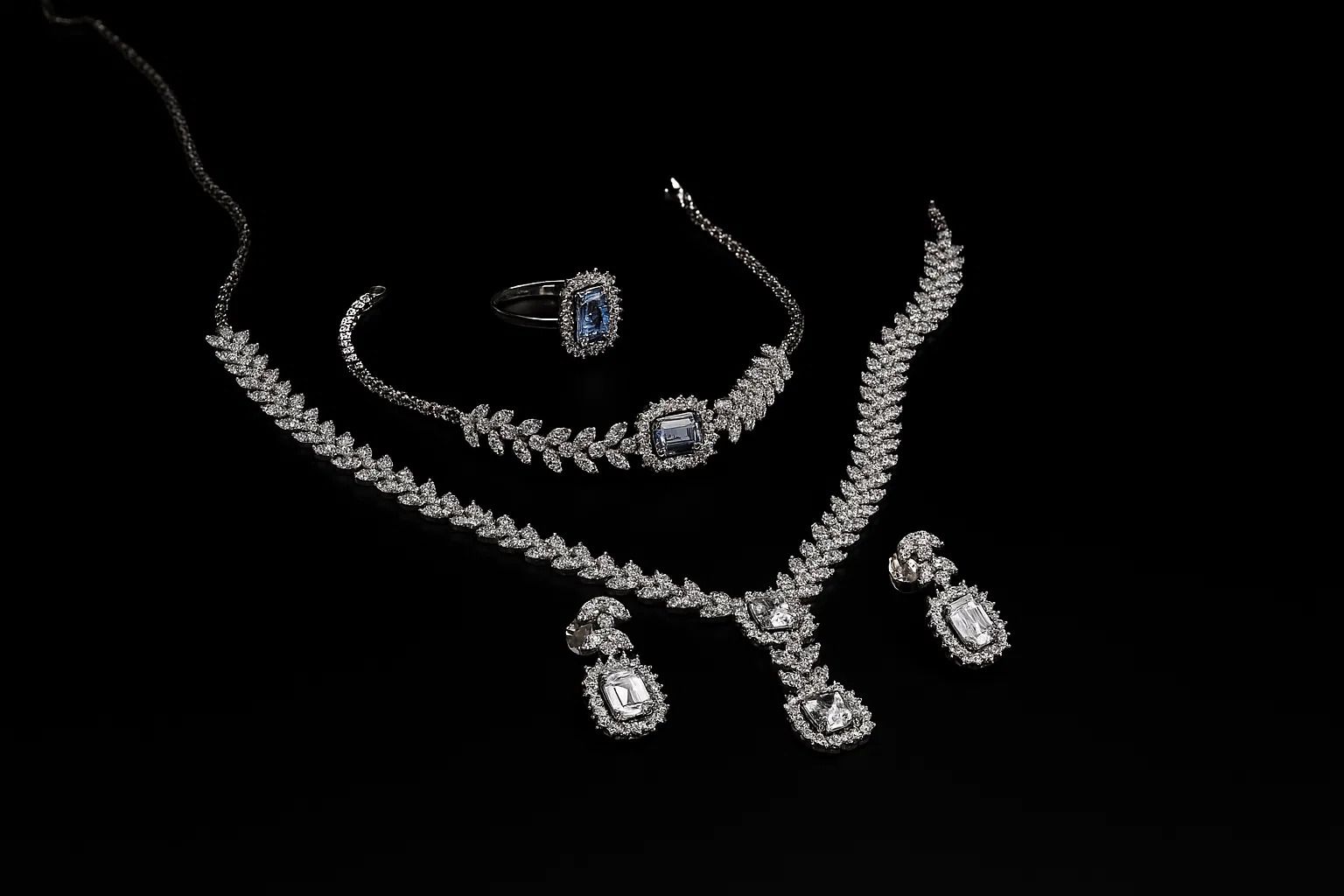
Table of Contents
- What Are the Most Expensive Gemstones?
- Why Do Certain Gemstones Cost So Much?
- Where Do These Precious Stones Come From?
- How Can You Spot a Genuine Expensive Gemstone?
- What Role Do Gemstones Play in Investments?
- Which Gemstones Have Broken Records Lately?
- Where Can You Buy Quality Gemstones Without Breaking the Bank?
- Discover Our Best Gemstone Jewelry
- How Have Gem Prices Changed in 2025?
- What Future Trends Await Gem Collectors?
- FAQ
What Are the Most Expensive Gemstones?
Why Do Certain Gemstones Cost So Much?
-
Rarity: Few gemstones exist in nature, which pushes their prices higher. They form only under exact conditions deep in the earth, such as extreme pressure needed for diamonds.
-
Color: Bright, deep colors make gems more valuable. Stones with vivid shades and no flaws inside sell for top prices because they look stunning.
-
Size: Bigger gems cost a lot more. As size grows, the price jumps sharply since large, perfect stones are hard to find.
-
Cultural Ties: Some gems hold special meaning in cultures, adding to their value. For instance, jadeite is prized in China for its links to luck and history.
-
Treatments: Gems without any changes or heating stay pricier. Treated ones cost less, but natural versions draw buyers who want the real thing.
-
Clarity: Clear gems without spots inside are worth more. Flaws can block light, so stones like emeralds with few inclusions stand out as rare.
-
Cut: A good cut lets light bounce around inside the gem, making it sparkle. This boosts appeal and price, turning a rough stone into something beautiful.
-
Certifications: Proof from trusted labs confirms a gem is real and top quality, making certified jewelry. Places like GIA check details to help buyers trust what they get.
Where Do These Precious Stones Come From?
How Can You Spot a Genuine Expensive Gemstone?
-
Seek Certifications : Trusted labs like the Gemological Institute of America grade aspects such as color and clarity to confirm authenticity.
-
Examine Inclusions : Natural gems show unique internal features under a magnifying loupe, while synthetics may appear overly flawless.
-
Test Refractive Index : Professionals use this method to measure how light bends through the stone, helping identify its type.
-
Check Under UV Light : Some gems glow or change under ultraviolet rays, like benitoite, revealing their true nature.
-
Consider the Price : Unusually low costs often signal fakes, as genuine rares hold consistent market value.
-
Buy from Trusted Sellers : Reputable dealers provide guarantees and history, reducing risks of counterfeits.
What Role Do Gemstones Play in Investments?
Which Gemstones Have Broken Records Lately?
Where Can You Buy Quality Gemstones Without Breaking the Bank?
Discover Our Best Gemstone Jewelry
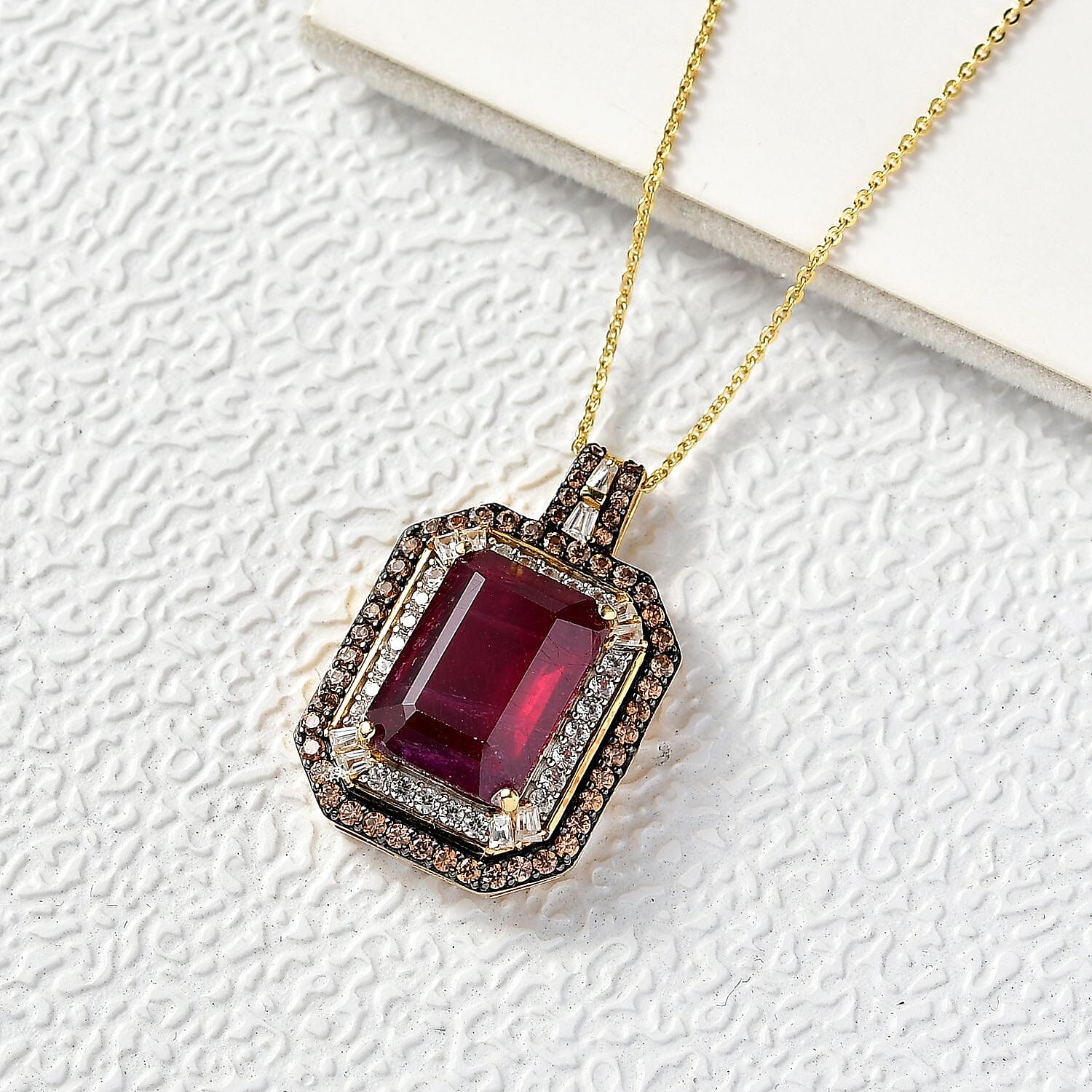
- Ruby : Rubies bring a bold pop to any outfit, perfect for evening wear or daily flair. Their deep red tones symbolize passion and strength, making them ideal for statement rings or pendants. At Shop LC, our ruby pieces blend classic designs with modern twists, ensuring durability and sparkle that lasts. Choose from versatile styles that suit all occasions, from casual to formal events.
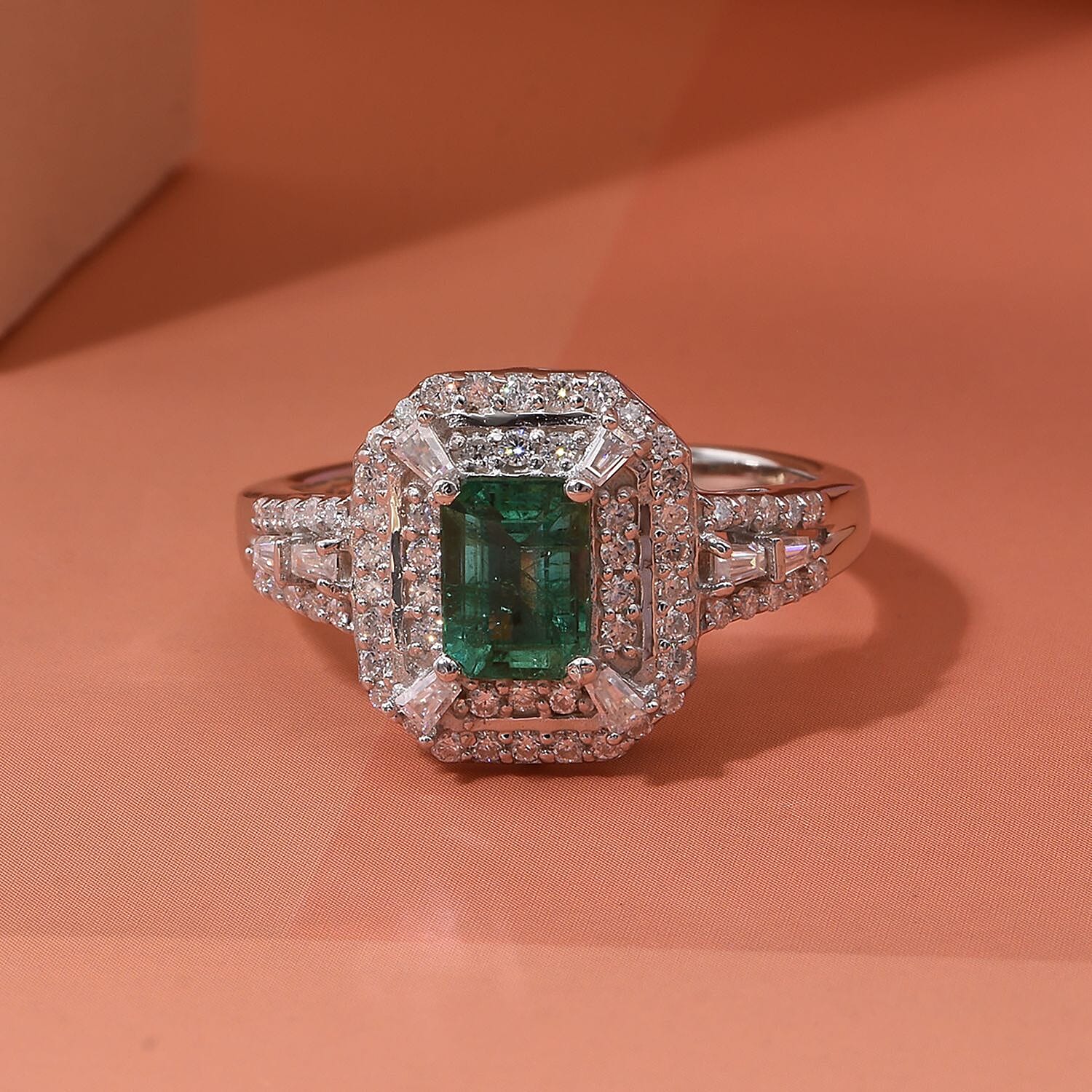
- Emerald : Emeralds offer a fresh, earthy vibe that complements spring ensembles or adds contrast to neutral tones. Known for their soothing green shades, they enhance necklaces and earrings with elegance. Shop LC's emerald jewelry features expert cuts that maximize light play, providing comfort for all-day wear and easy pairing with gold or silver settings.
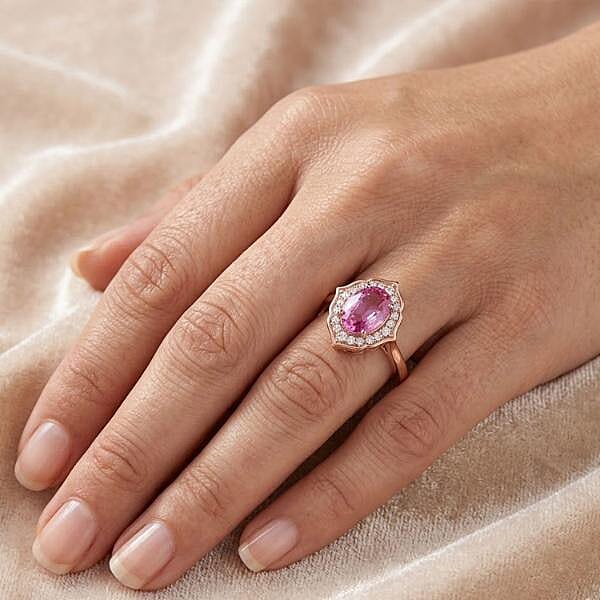
- Sapphire : Sapphires provide a cool, sophisticated touch, great for office looks or special gatherings. Their range of blues and pinks allows for creative mixing in bracelets or studs. At Shop LC, sapphire items boast secure prongs and smooth finishes, offering hypoallergenic options that shine in both daylight and evening light.
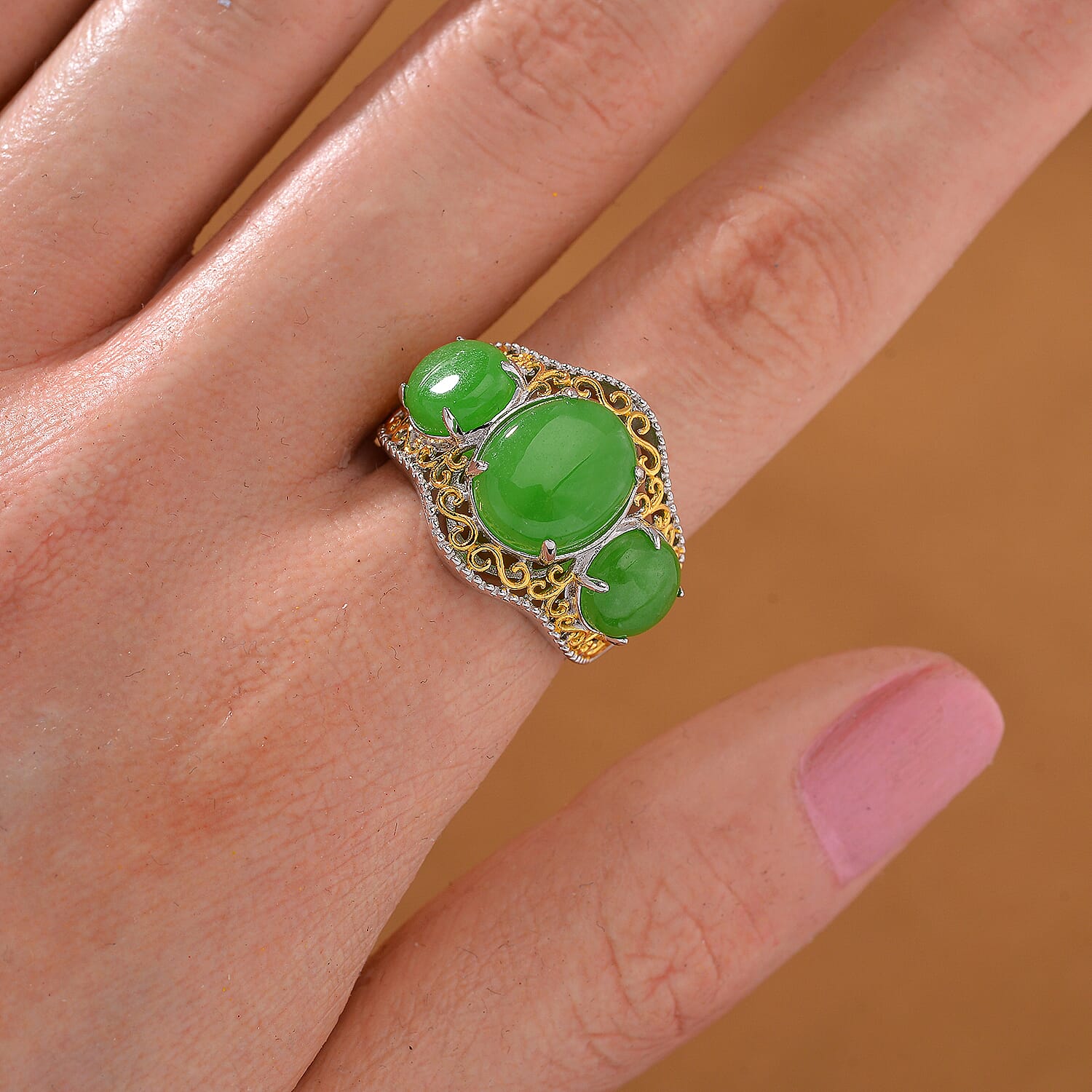
- Jadeite : Jadeite adds a serene, cultural elegance, fitting for minimalist designs or layered necklaces. Its smooth texture and green hues promote balance in daily accessories. Shop LC's jadeite selections include carved motifs that highlight craftsmanship, making them lightweight and versatile for travel or gifting.
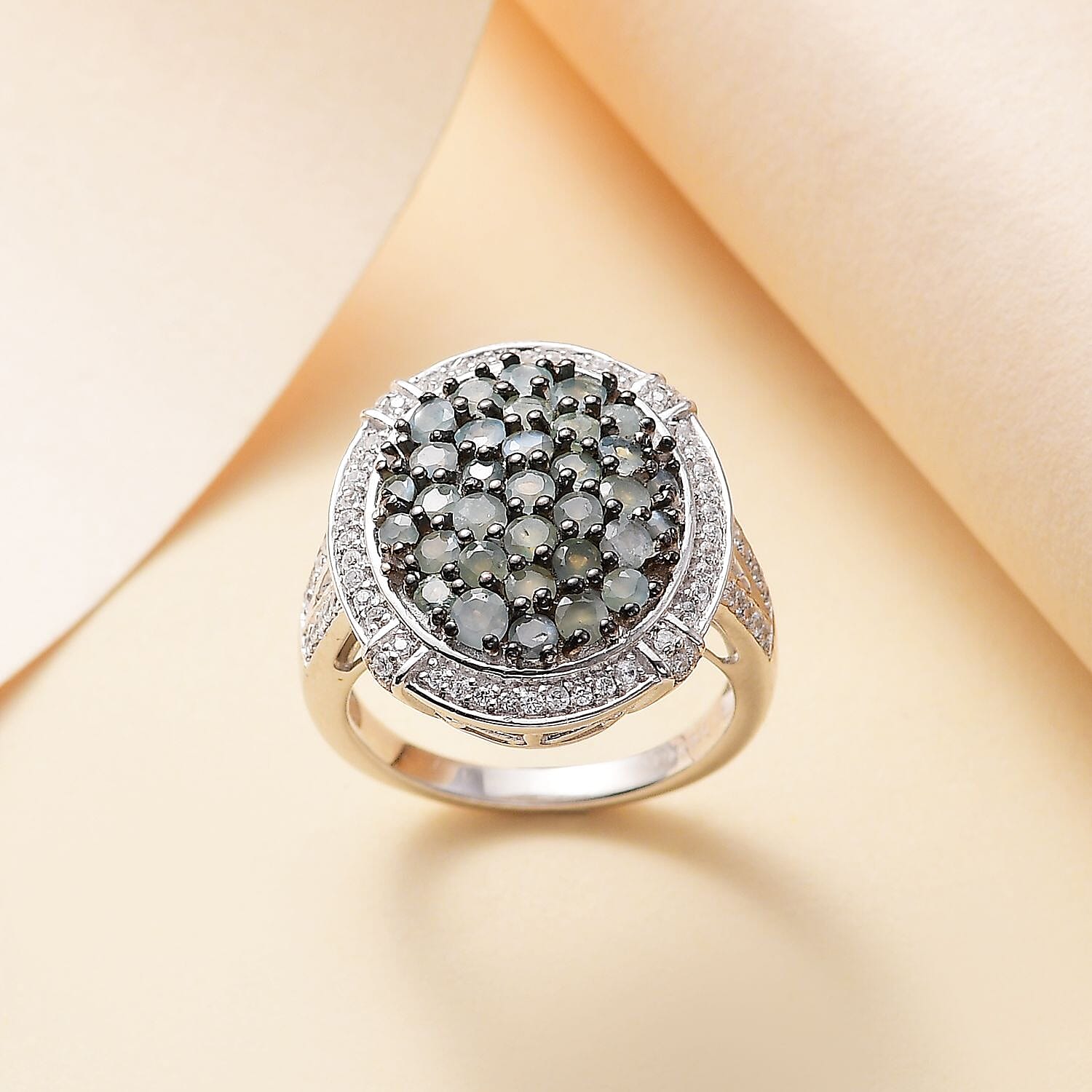
- Alexandrite : Alexandrite's color-changing magic creates dynamic appeal for transitional outfits from day to night. It pairs well with simple chains or bold cuffs. Shop LC offers alexandrite jewelry with precise settings that protect the stone, ensuring vibrant shifts in various lighting for a unique personal style.
How Have Gem Prices Changed in 2025?
Gem prices have seen various shifts this year based on supply and demand.
-
Lab-grown diamonds fluctuate often, reflecting changes in production and buyer preferences. Overall, colored stones keep climbing in appeal for their unique qualities
What Future Trends Await Gem Collectors?
-
Sustainability Focus : Collectors will emphasize eco-friendly and ethical sourcing in their choices.
-
Lab-Grown Popularity : Lab-grown gems will gain more traction for their accessibility and reduced environmental impact.
-
Pastel Gems Rise : Soft-hued stones like mint tourmaline and peach morganite will become favorites for subtle elegance.
-
Garnet and Tourmaline Appeal : These gems will attract attention as affordable yet rising alternatives to pricier options.
-
Tanzanite Rarity : Tanzanite will draw collectors due to its unique color and limited future supply.
-
Bold Designs Emerge : Larger, raw crystal pieces will feature prominently in home decor and personal collections.
-
Ethical Neon Hues : Vibrant stones like paraiba tourmaline will highlight ethical mining practices.
-
Sophisticated Styles : Delicate, personality-driven jewelry will define new collecting preferences.
FAQ
What Factors Influence the Color Variations in Expensive Gemstones?
Trace elements create distinct hues in gems. Chromium gives rubies their red shade, while iron and titanium produce blue in sapphires. Heat and pressure during formation also alter tones, leading to unique patterns. These variations make each stone one-of-a-kind, appealing to those who value individuality in jewelry.
How Do Inclusions Affect the Quality of Precious Stones?
Inclusions are natural features inside gems that can add character or reduce clarity. In emeralds, they often form garden-like patterns that enhance appeal if not too dense. Proper evaluation considers how they impact light passage, balancing aesthetics with structural integrity.
What Historical Roles Have Gemstones Played in Societies?
Gems have served as symbols of power and protection across cultures. Ancient Egyptians used lapis lazuli in burial masks for its deep blue, linking it to the heavens. Romans prized pearls for status, incorporating them into crowns and amulets.
How Are Gemstones Typically Cut to Maximize Brilliance?
Cuts like brilliant or step enhance light reflection in diamonds and similar stones. Cabochon suits opaque gems like opals, smoothing surfaces for a domed effect. Precision in facets brings out fire and scintillation, transforming raw material into sparkling pieces.
What Distinguishes Natural Gemstones from Lab-Created Ones?
Natural gems form over millennia in the earth, carrying unique imperfections. Lab versions replicate conditions in controlled settings, offering consistent quality. Both can appear identical, but origins affect collector preferences.
How Do Gemstone Hardness Ratings Impact Their Use in Jewelry?
Hardness, measured on the Mohs scale, determines durability for daily wear. Diamonds rank highest, resisting scratches in rings. Softer stones like pearls suit pendants to avoid damage from contact.
What Cultural Meanings Are Associated with Specific Gemstones?
Rubies symbolize vitality in many Asian traditions, often worn for good fortune. Sapphires represent wisdom in Western lore, linked to truth and serenity. These associations influence choices in ceremonial items.
How Does Light Interaction Vary Among Different Gem Types?
Some gems exhibit pleochroism, showing color shifts from angles, like in tanzanite. Fluorescence under UV adds glow to certain diamonds. These properties create dynamic visual effects in various settings.
What Environmental Conditions Form Rare Gemstones?
Deep earth pressures and specific minerals combine over time. Volcanic activity aids in creating peridot, pushing crystals to the surface. Unique geological events result in limited deposits worldwide.
How Can Gemstones Be Incorporated into Modern Fashion Trends?
Layering necklaces with mixed stones adds eclectic style. Bold earrings featuring alexandrite highlight color changes. Versatile designs allow gems to transition from casual to elegant looks.
Comments
No comments yet. Be the first to comment!

⭐ Rate this Post & Leave a Comment ✍️