Destination Spotlight: South Sea Pearl Aquaculture
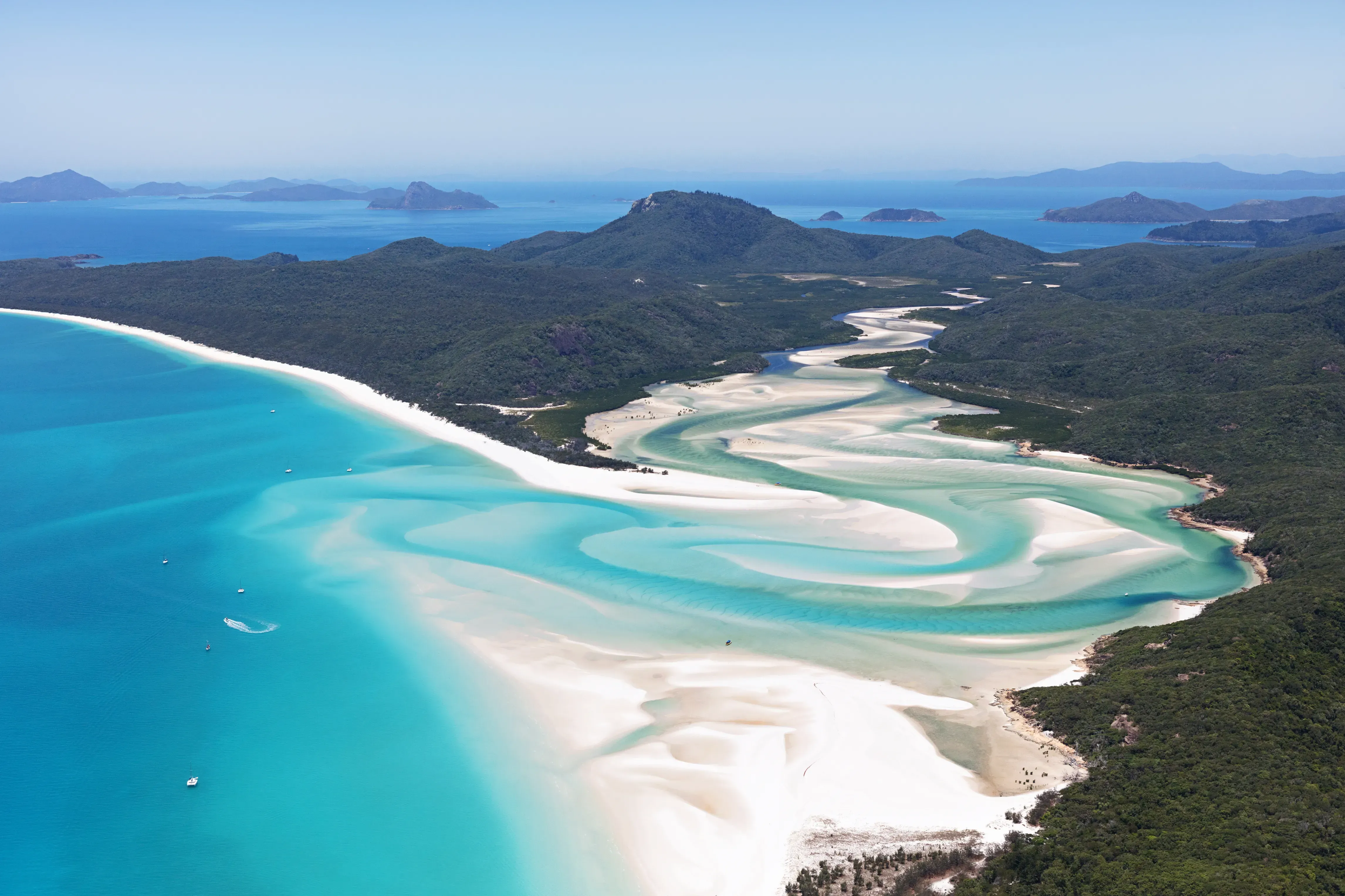
Pearls are organic gems obtained from mollusks deep under the sea. The gorgeous gem has been a favorite among gem lovers over the ages due to its...
Shop With Us
Discover a seamless shopping experience with our curated selection of high-quality products. Whether you're looking for the latest trends, must have essentials, or exclusive deals.
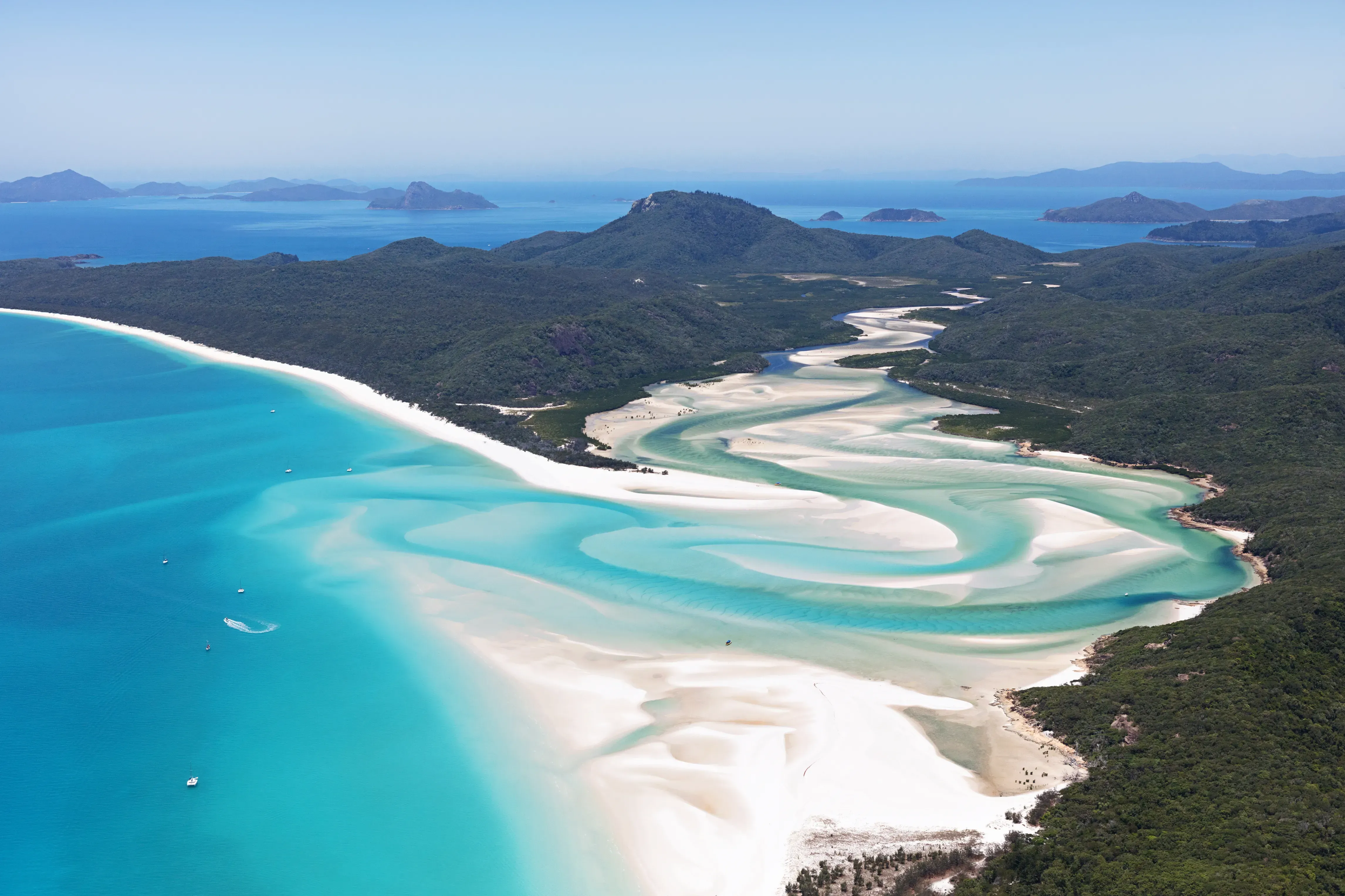
What is Aquaculture?
Aquaculture is the process of cultivating aquatic organisms in a controlled environment. It is practiced for various purposes like food, habitat restoration, saving an endangered species or enhancing the production of marine minerals.
Pearl Farming Process
Pearl farming is producing cultured pearls through pearl farms. Australia has been involved in commercial pearl farming since the mid-1900s. The farming involves a three-step process of spat production, nucleating and maintaining of pearl oysters, and harvesting and general farming procedures.
STEP 1
The first step involves collecting oysters from the wild and keeping them in the controlled temperatures at the hatchery. Once spawning is induced, these take around 24-hours to develop into larva. After approximately three weeks, oysters are settled from the water column and attached to a substrate. When the spats attain desired size, they are transferred to the hatchery and placed in mesh bags kept four-meters below low tide level. These bags are regularly cleaned to ensure proper water flow and suitable surroundings.
STEP 2
The second step is seeding and maintaining the pearl oyster. The oyster shells are kept on the farm for about two years until they reach optimum size. These are conditioned for several weeks with cooler waters to reduce their metabolism before nucleation. This process increases the success rate of nucleation. After this, the mantle tissue graft is extracted from one mollusk and inserted with a bead. The bead is kept in close contact with mantle tissue graft for producing pearls. From this bead and tissue a new pearl will be cultured!
FINAL RESULT
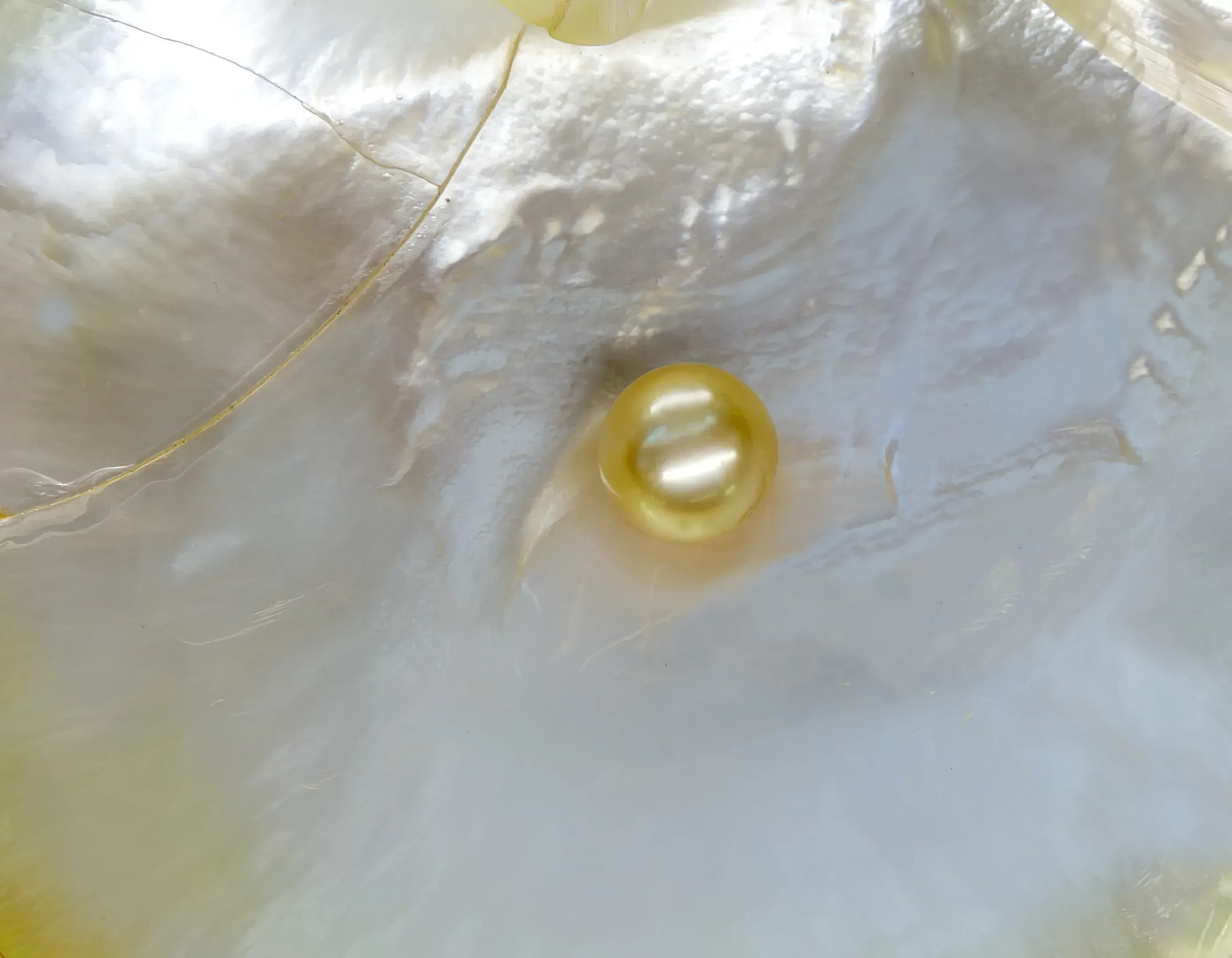
Important Locations for Pearl Farming in Australia
The cultured pearl industry of Australia primarily depends on adult Pinctada maxima oyster shells collected from the wild and used for producing pearls. The important locations of South Sea cultured pearl farming stretch from Cobourg Peninsula North-East of Darwin to Dampier in Western Australia, Kuri Bay and Cygnet Bay. Many giant Pinctada maxima are found along the North-Western Kimberley Coast and Eighty Mile Beach, South of Broome. These remote areas are still primarily untouched by human influence, making them the perfect locations for cultured pearl farming.
Traditional and Modern Farming
In the traditional process of pearl farming, oysters were collected from the seabed and harvested in farms. Nowadays, with advanced techniques and a modern process, pearl farmers collect high quality oyster eggs and sperms from the farm itself. These are further fertilized to create oyster larvae. For a few weeks, larvae are left freely in water to develop into baby oysters. These are then moved to nurseries, where they are kept for about 1-2 years and then nucleated.
Sustainable Efforts to Conserve the Environment

Role of Aquaculture in Improving the Economy
Comments
No comments yet. Be the first to comment!

⭐ Rate this Post & Leave a Comment ✍️