Yellow Gold vs White Gold vs Rose Gold: Complete Comparison
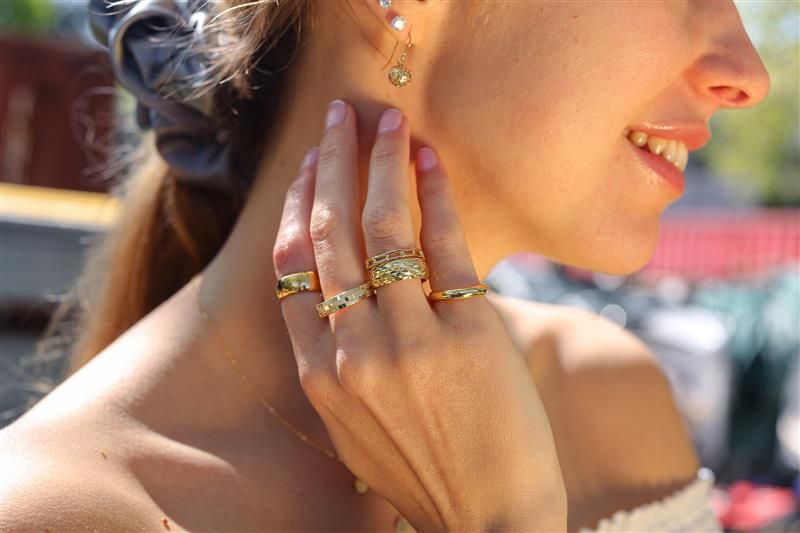
Explore the differences between yellow, white, and rose gold to find the perfect metal that matches your style and lifestyle. This guide helps you choose confidently by breaking down composition, durability, maintenance, and design appeal of each gold color.
Shop With Us
Discover a seamless shopping experience with our curated selection of high-quality products. Whether you're looking for the latest trends, must have essentials, or exclusive deals.
When you're shopping for gold jewelry — whether it's a timeless ring, a delicate necklace, or a bold bracelet — one of the first choice is selecting the color, you'll face is the metal color. Yellow gold vs. white gold vs. rose gold: which one is right for you? It's not just about looks. Each gold color has its own composition, durability, maintenance needs, and styling personality.
This complete guide breaks down the key differences between white gold and platinum — helping you make a confident, well-informed jewelry purchase, whether you're buying an engagement ring, a gift, or treating yourself.
Understanding Gold Purity: The Foundation of Every Gold Color
Most fine jewelry in the U.S. is sold in 10K, 14K, or 18K gold. The karat tells you how much pure gold is present — 14K means roughly 58% pure gold, while 18K contains 75%. The rest is alloy metals that give each gold type its distinctive color and character.
Yellow Gold: The Classic Choice with Timeless Appeal
Yellow gold is what most people picture when they think of gold jewelry. It's the original, the classic, and for good reason — it's been treasured across cultures for thousands of years.
What Makes Yellow Gold Yellow?
Yellow gold gets its warm hue from a blend of pure gold with silver and copper. The ratio varies by karat — 18K yellow gold has more pure gold, which means a richer, deeper color. 10K or 14K pieces will appear slightly lighter or more muted.
Benefits of Yellow Gold Jewelry
- Hypoallergenic-friendly: Higher karat yellow gold (18K and above) is naturally low in reactive metals, making it a good choice for sensitive skin.
- Low maintenance: Unlike white gold, it doesn't require re-plating over time.
- Universally flattering: Especially beautiful on warm and deep skin tones.
- Vintage and heirloom appeal: Perfect for antique-inspired and traditional designs.
Things to Keep in Mind
Yellow gold, especially at lower karats, can scratch over time and may show wear on high-use pieces like rings. But that patina is often considered part of its charm — many buyers love how it develops character with age.
White Gold: The Modern, Polished Look (And What Rhodium Plating Really Means)
White gold surged in popularity through the 20th century as a more affordable alternative to platinum. Today, it's one of the most popular choices for engagement rings, wedding bands, and modern fine jewelry.
The Role of White Gold Rhodium Plating
Many white gold buyers don't realize that white gold isn't naturally bright white — in its purest form, it has a slightly yellowish or grayish tone. So how does white gold get that dazzling, mirror-like finish? The answer is rhodium plating.
Rhodium plating is a process where jewelers apply a thin coating of rhodium — a rare, silvery-white metal from the platinum family — onto white gold jewelry. This gives white gold its signature bright, reflective appearance while also adding a scratch-resistant surface that protects the metal underneath.
Benefits of White Gold Jewelry
- Sleek, contemporary aesthetic that complements diamonds and colorless gemstones brilliantly.
- Similar look to platinum at a significantly lower price point.
- Pairs well with cool and neutral skin tones.
- Highly versatile — works with professional attire and formal events equally well.
Things to Keep in Mind
Since white gold is made with alloy metals, some formulations contain nickel — a common trigger for skin sensitivities and allergic reactions. If you have sensitive skin or a nickel allergy, always ask your jeweler about the specific alloy composition before purchasing. Look for nickel-free white gold options to ensure safe, comfortable wear. Reputable retailers like Shop LC are transparent about their materials, making it easier for sensitive-skin shoppers to find the right piece with confidence.
Rose Gold vs Yellow Gold: What Makes Rose Gold So Special?
Rose gold has had a major resurgence in recent years, and it's easy to see why. Its warm, pinkish hue strikes a beautiful balance between feminine and bold — romantic without being overly delicate.
What Gives Rose Gold Its Color?
Rose gold owes its blush tone to a higher copper content in its alloy mix. More copper equals a deeper, rosier color. This is why you'll sometimes see variations described as "pink gold" (less copper, lighter pink) or "red gold" (more copper, stronger red tone). Standard rose gold jewelry typically falls in the warm middle.
Benefits of Rose Gold Jewelry
- Universally flattering: The warm tones complement every skin tone beautifully — warm, cool, and neutral.
- No rhodium plating required: Rose gold holds its color naturally over time.
- Durable: Copper strengthens the alloy, making rose gold slightly more durable than yellow gold at the same karat.
- Trend-forward and romantic: Perfect for engagement rings, anniversary gifts, and fashion-forward pieces.
Things to Keep in Mind
The copper content in rose gold can occasionally cause reactions in people with copper allergies — though this is relatively uncommon. If you're shopping rose gold vs yellow gold jewelry for someone with metal sensitivities, it's worth checking allergy history first.
Gold Color Comparison: Side-by-Side Breakdown
Here's a quick reference for the key differences across the three gold colors:
Yellow Gold
- Color Source: Crafted from a blend of silver and copper alloy for its warm, signature golden hue
- Maintenance: Low — one of the easiest gold types to care for with minimal upkeep
- Durability: Moderate — holds up well but may show scratches over time
- Best Skin Tones: Ideal for warm and deep skin tones
- Style Vibe: Timeless, classic, and perfect for vintage or heirloom jewelry pieces
- Allergy Risk: Low — especially safe at higher karat levels
White Gold
- Color Source: Made from nickel or palladium alloy, finished with rhodium plating for a bright, mirror-like shine
- Maintenance: Moderate — requires rhodium re-plating every 1–3 years to maintain its brilliant finish
- Durability: High — rhodium coating adds an extra layer of scratch resistance
- Best Skin Tones: Flattering on cool and neutral skin tones
- Style Vibe: Sleek, modern, and elegant — a top choice for formal and contemporary jewelry
- Allergy Risk: Possible — opt for nickel-free white gold if you have sensitive skin or a nickel allergy
Rose Gold
- Color Source: Made with a high copper alloy content, giving it its distinctive warm, rosy pink color
- Maintenance: Low — naturally durable with very little maintenance needed
- Durability: High — copper content makes it one of the sturdiest gold alloy options
- Best Skin Tones: Universally flattering — complements all skin tones beautifully
- Style Vibe: Romantic, feminine, and trendy — a popular choice for modern and vintage-inspired designs
- Allergy Risk: Rare — copper allergies are uncommon, making it a safe choice for most wearers
Which Gold Color Is Best for Your Lifestyle and Style?
The honest answer: there's no universally "best" gold color. It comes down to your personal style, skin tone, lifestyle, and how much upkeep you're willing to do. Here are some practical buying guidelines:
Choose Yellow Gold If...
- You love classic, vintage, or Art Deco-inspired jewelry
- You have warm or olive skin tones
- You prefer low-maintenance jewelry that ages gracefully
- You're drawn to bold, saturated metal colors
Choose White Gold If...
- You want a clean, minimalist, or modern look
- You're pairing your jewelry with diamonds or icy-toned gemstones
- You love silver-toned jewelry but want the value retention of gold
- You have cool or neutral undertones in your skin
Choose Rose Gold If...
- You want something romantic and on-trend without being overly flashy
- You have any skin tone — rose gold genuinely works across the spectrum
- You want low-maintenance jewelry that doesn't need re-plating
- You're shopping for a gift and aren't sure which tone the recipient prefers
Styling Tips: How to Wear Each Gold Color with Confidence
- Mixing metals is completely on-trend right now — so don't feel locked in. But if you prefer a cohesive look, here's how to style each gold type:
- Yellow gold pairs beautifully with earth tones, burgundy, navy, and camel — it adds warmth and richness to any outfit.
- White gold looks sharp against blacks, whites, grays, and jewel tones — it's the go-to for polished, boardroom-ready looks.
- Rose gold glows against blush, nude, dusty blue, and soft pastels — it's the darling of bridal and spring styling.
- Mixing all three on a single stack of rings or bracelets? Totally acceptable — and very fashionable.
Recommended Products from Shop LC
If you're ready to explore your options, Shop LC offers a thoughtfully curated selection of gold jewelry across all three color categories — all at accessible price points without compromising on quality.
**Here's what to look for: **
- Yellow Gold Rings and Bangles: Look for classic solitaire rings, gemstone-set bangles, and eternity bands in 10K or 14K yellow gold. The warm tone pairs especially well with rubies, citrines, and yellow sapphires.
- White Gold Rings and Pendants: Diamond accent rings, halo-style pendants, and sleek minimalist bands — white gold elevates the brilliance of any white or icy-toned stone.
- Rose Gold Stacking Rings and Earrings: From delicate stacking rings to dangle earrings featuring morganite or pink tourmaline, rose gold pieces at Shop LC are crafted to charm.
Frequently Asked Questions
Does white gold tarnish or turn yellow over time?
White gold itself doesn't tarnish, but its rhodium plating does wear down over time, which can reveal the natural off-white or slightly yellowish base beneath. A routine rhodium re-plating service — available at most jewelry stores — restores that bright white finish in under an hour.
Is rose gold more expensive than yellow or white gold?
Not typically. All three gold colors are priced primarily based on karat (gold content), not color. Rose gold can sometimes be slightly less expensive because copper — one of its main alloys — is more affordable than some metals used in white gold, like palladium.
Which gold color is best for an engagement ring?
All three are popular choices for engagement rings. White gold is the most common because it showcases diamond brilliance so well. Yellow gold is beloved for vintage and heirloom styles. Rose gold has surged in popularity for its romantic, modern feel. The best choice depends entirely on the wearer's personal taste.
Is yellow gold hypoallergenic?
Higher karat yellow gold (18K and above) tends to be gentler on sensitive skin since it contains more pure gold and fewer reactive alloy metals. Lower karat yellow gold (10K) has more alloy content and may occasionally cause reactions in those with metal sensitivities.
Can I mix different gold colors in one outfit?
Absolutely — mixed metal styling is very much in fashion. Stacking rings or layering necklaces in different gold tones creates a curated, editorial look. The key is intentionality: mix two or all three, but balance the proportions so it looks deliberate rather than accidental.
How do I care for my gold jewelry regardless of color?
Clean gold jewelry with warm water and a few drops of mild dish soap, using a soft toothbrush to reach crevices. Rinse thoroughly and pat dry. Store each piece separately to prevent scratching. Avoid wearing gold jewelry while swimming in chlorinated water or applying lotions and perfumes, as chemicals can accelerate wear.
The Bottom Line: Choosing Your Gold Color
Yellow gold vs white gold vs rose gold isn't a battle with a clear winner — it's a choice that should reflect who you are and how you wear your jewelry. Yellow gold carries history and warmth. White gold brings polish and versatility. Rose gold offers a romantic twist that works for almost everyone.
If you're still torn, consider your existing jewelry collection, your wardrobe palette, and your lifestyle. Or better yet — own one of each. Gold jewelry, regardless of hue, is a long-term investment in self-expression.
Comments
No comments yet. Be the first to comment!

⭐ Rate this Post & Leave a Comment ✍️