Tanzanite Retrospective: Celebrating Over 50 Years
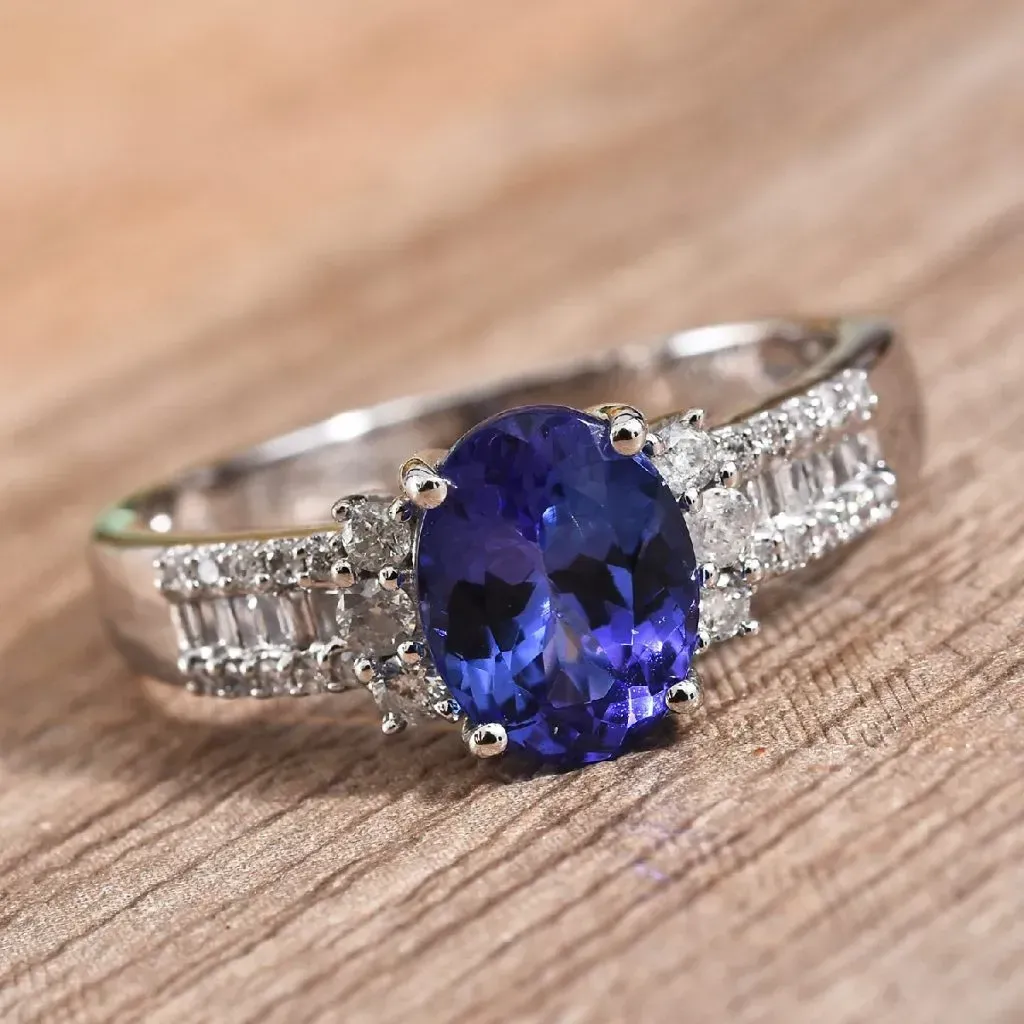
Today, tanzanite is one of the most popular gemstones. But how did it rise in popularity? Learn about this blue stone as we reflect on its...
Shop With Us
Discover a seamless shopping experience with our curated selection of high-quality products. Whether you're looking for the latest trends, must have essentials, or exclusive deals.
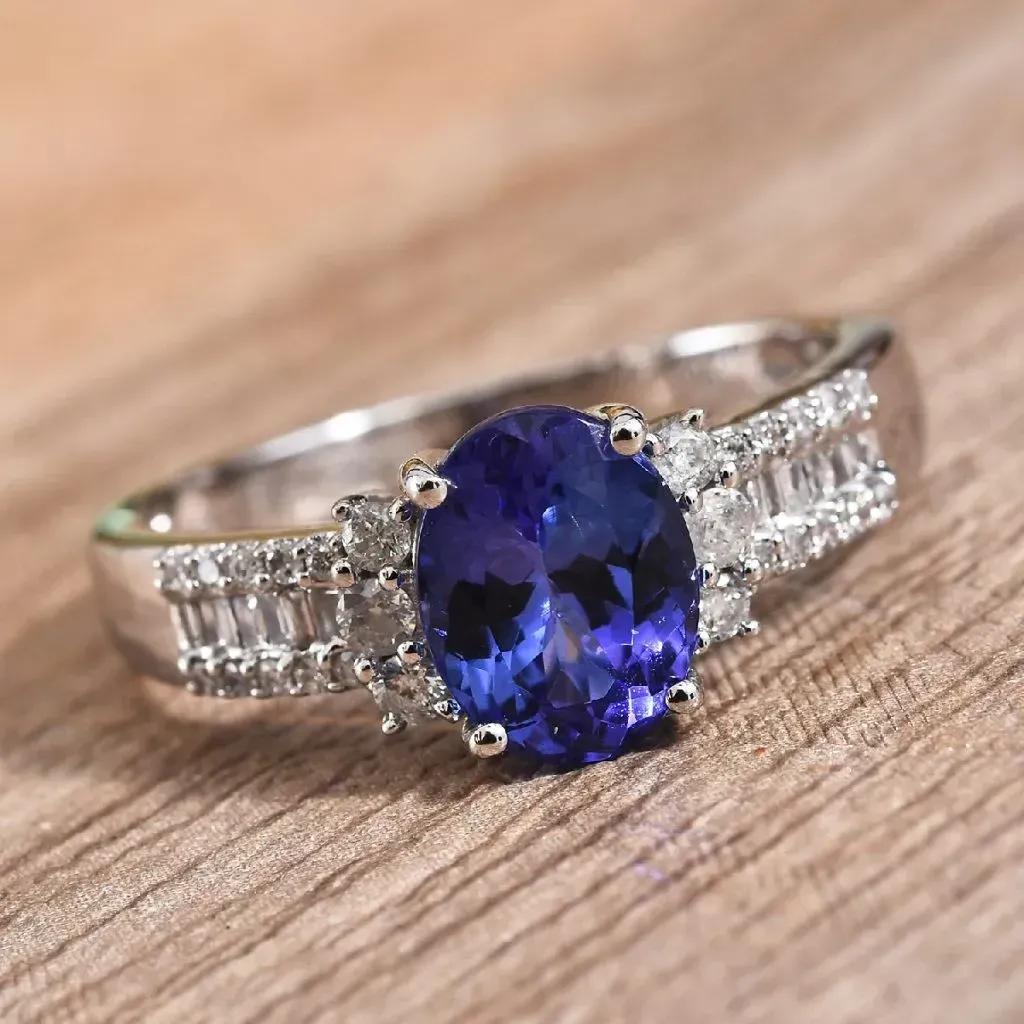
Tanzanite Timeline
- 1962 - Locals find chunks of blue rock around the Merelani Hills of Tanzania. Study indicates a new variety of zoisite.
- 1967 – A prospector discovers a large deposit of tanzanite near the base of Mt. Kilimanjaro. Many claims spring up over the next few weeks.
- 1971 – Mining operations fall to government control through the State Mining Corporation.
- 1990 – With large, unorganized mining activities, the mine is divided into its four current blocks: A, B, C, and D. The larger Blocks, A and C, are used for commercial mining. Blocks B and D house small scale mining operations.
- 2001 – Commercial activities begin in Block C after a use study.
- 2002 – The popularity of tanzanite sees its addition to the modern birthstone list. This is the first major change in over 50 years. It becomes a December birthstone.
- 2003 – The Tanzanite Foundation, a non-profit organization, is established to support the local community and educate consumers on tanzanite.
- 2017 – Tanzanite celebrates 50 years of popularity!
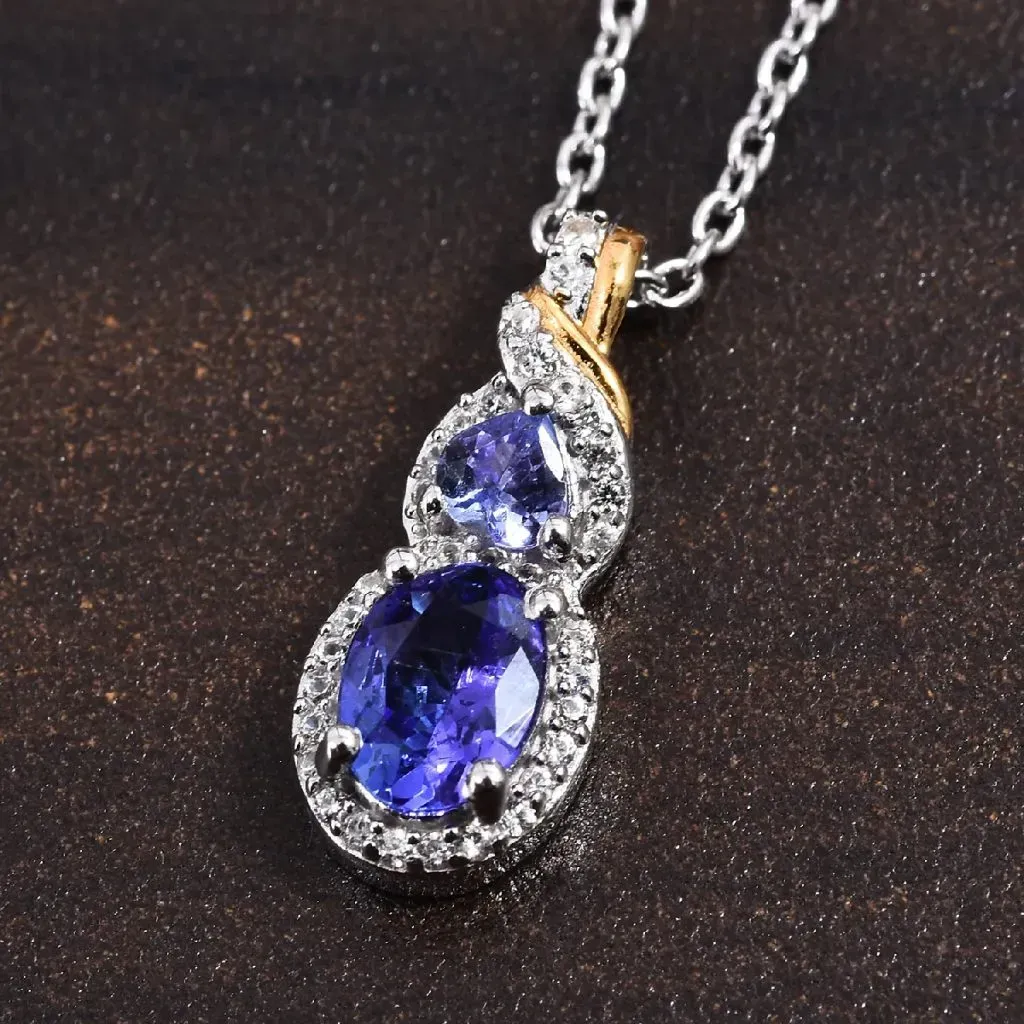
The Early Days of Tanzanite
In the early 60s, locals were finding scraps of a deep blue crystal throughout the Merelani Foothills of Tanzania. Located at the base of Mt. Kilimanjaro, no one knew the identity of this strange gemstone. Popular tales explain that a Masai tribesman was the first person to discover tanzanite.
These local discoveries were enough to spur prospectors to action. Many would spend long hours inspecting the terrain, searching for a likely source of this blue gem.
Savvy promotion during the late 60s let tanzanite create a splash early on as designers and jewelers clamored to use this exciting new stone in jewelry. It was something more than a sapphire substitute. It had come into its own due to its captivating colors and unique visual properties.
Modern Tanzanite Mining Operations
The government would reduce small-scale operations in 1990. They divide the tanzanite mine into four separate Blocks, labeling them A, B, C, and D. Blocks A and C go to commercial operations. Small scale mining continues in Blocks B and D.
The largest tanzanite mining firm acquired Block C in 2004. Shop LC is a significant partner in this operation. By working together, we can offer ethically sourced tanzanite gemstones at our daily low cost.
Recently, a wall has been constructed around the mine. The government is cracking down on illegal export of the stone and improving its tax collection process. During this time, mine operations have been severely reduced, drastically limiting the supply of this precious gemstone.
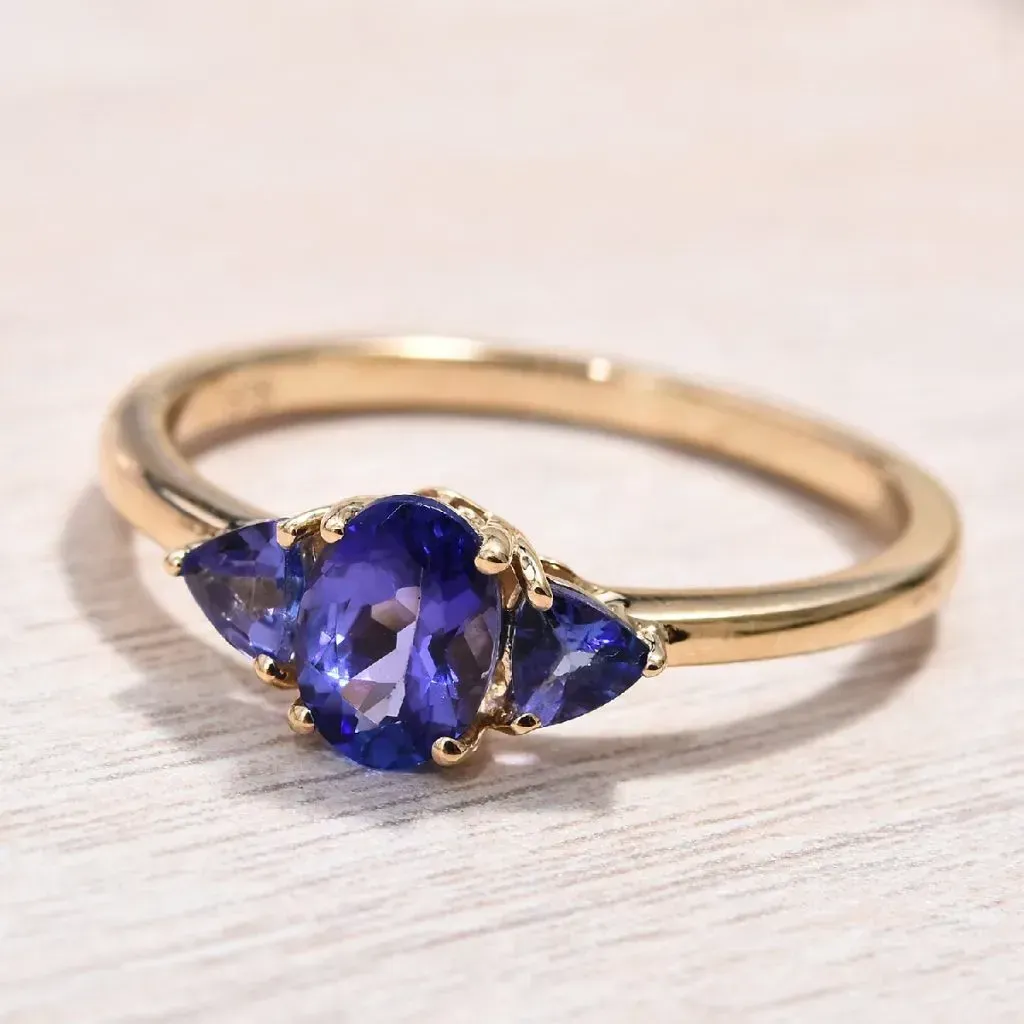
50 Years of Tanzanite
It is among the most affordable blue gems on the market today. Only five percent of all tanzanite makes the grade for setting into gold. The gem's color saturation improves as it becomes bigger. Tanzanite of five carats or better typically has the best color.
Comments
No comments yet. Be the first to comment!

⭐ Rate this Post & Leave a Comment ✍️