Which is More Rare, Diamonds or Tanzanite?
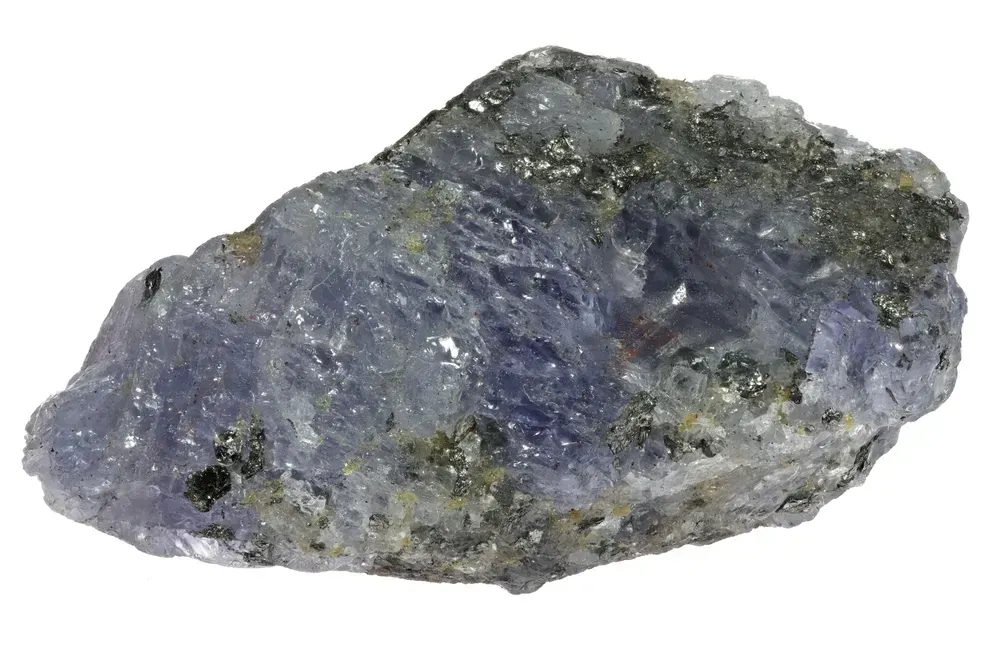
Have you ever wondered which gemstone holds the title of being the rarest between diamonds and tanzanite? Is it the shimmering, indomitable diamond...
Shop With Us
Discover a seamless shopping experience with our curated selection of high-quality products. Whether you're looking for the latest trends, must have essentials, or exclusive deals.
Tanzanite: An Overview
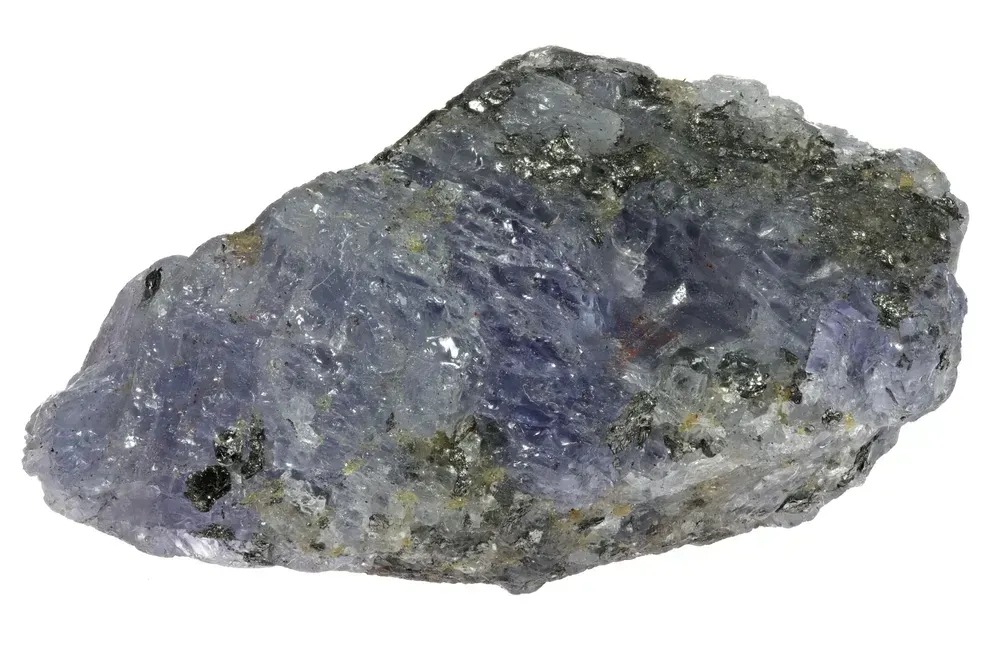
Diamonds: An Overview

The formation process of diamonds is nothing short of a miracle of nature. These radiant gems are born deep within the Earth's mantle, under intense heat and pressure over billions of years. Volcanic activity then brings them closer to the surface.
The Rarity of Tanzanite vs. Diamonds
When the question of rarity arises, we do have the question. Is it the globally trotting diamond or the exclusive tanzanite that claims the title 'The Rarest'? Let's dive right into it!
First things first - what does it mean for a gemstone to be rare? Rarity in the world of gemstones is how readily available they are. A gem found in multiple places around the globe may be more common than one exclusive to a single location. You might think tanzanite takes the cake by that definition, and you're right!
Diamonds may not be as geographically exclusive as tanzanite, but that doesn't mean they're common! High-quality diamonds - those with impeccable clarity, color, and size - are rare. Their widespread use in various industries (not just jewelry!) adds to their demand, making them harder to come by.
So, regarding sheer geographical availability, tanzanite takes the crown, but when we consider the demand and availability of high-quality stones, diamonds shine too! Isn't it exciting how these two gems have their unique claim to rarity?
Determining Value: Diamonds vs. Tanzanite
Diamonds and tanzanite have charm and appeal, but what determines their value? While rarity does play a role, it's just one piece of the puzzle. The value of a gemstone is often determined by a quartet of factors, famously known as the 4Cs: Cut, Color, Clarity, and Carat Weight.
- Cut: A well-cut gemstone is a marvel to behold! It's all about how well the gem has been shaped and faceted. The better the cut, the more brilliant your diamond or tanzanite will be.
- Color: Color is another key player. For diamonds, the most valuable are those with no color, while for tanzanite, the most prized are those with a deep, saturated blue or blue-violet hue.
- Clarity: Clarity refers to the absence of inclusions or blemishes. In simple terms, the more transparent, the better! While this factor is significant for diamonds, it is moderately essential for tanzanite.
- Carat: Last but certainly not least, carat refers to the weight of the gemstone. Larger gemstones are rarer, making them more valuable. The carat weight stands equally crucial for both diamonds and tanzanite.
However, remember that the harmonious balance of these four factors creates the most valuable gemstones. A large diamond with poor clarity might not be as valuable as a smaller, flawless one. Similarly, a perfectly cut tanzanite with a pale color might fetch less price than a slightly less perfectly cut one with a deep, enchanting blue.
Investment Opportunities: Tanzanite vs. Diamonds
Now that we've uncovered the origins, formation, rarity, and value determinants of diamonds and tanzanite, it's time to venture into the exciting realm of gemstone investments. Let's dive right in and find out!
Moving on to tanzanite, its unique, single-source status gives it a certain edge in the investment world. The fact that it's only found in one location makes it a finite resource, which could drive up its value in the future. However, investing in tanzanite requires knowledge about the gemstone market, particularly its quality grading and pricing.
Desirable Characteristics of Diamonds and Tanzanite
After covering the fascinating origins of the investment potential of tanzanite and diamond, let's delve into what makes these two gemstones so desirable.
Let's start with diamonds. Their allure is truly multifaceted! Diamonds have been admired for centuries, and a good reason:
- Durability: Diamonds are the hardest substance known to man, which gives them incredible durability. A diamond truly is forever!
- Brilliance: The way a diamond catches the light is unmatched. Their sparkle is sure to turn heads.
- Versatility: Diamonds are versatile and timeless, fitting seamlessly into all jewelry styles and designs.
- Symbolism: Diamonds have long been symbols of love and commitment, adding a layer of emotional significance to their physical beauty.
Now, what about tanzanite? This relative newcomer to the gemstone scene has its unique appeal:
- Unique Color: Tanzanite's striking blue-to-violet hue is fantastic and incredibly mesmerizing.
- Single-source Status: Being sourced from only one place in the world, tanzanite has an exotic charm that's hard to resist.
- Pleochroism: Tanzanite exhibits a unique characteristic called pleochroism, which appears to change colors from different angles. Now, how cool is that?
- Affordability: Compared to high-quality diamonds, tanzanite tends to be more affordable, making it accessible to a broader range of gem enthusiasts.
Diamonds vs. Tanzanite - A Sparkling Summary
Dear gem enthusiasts, we've reached the end of our brilliant journey, exploring the fascinating worlds of diamonds and tanzanite. But before we close the curtain, let's take a moment to reflect on our dazzling discoveries!
Both diamonds and tanzanite, each in their unique ways, have shown us why they capture the hearts and minds of people around the globe.
Diamonds' timeless elegance, unmatched durability, and brilliant sparkle have proven why they've been celebrated for centuries. From widespread geographical availability to solid demand in various industries, diamonds have shown they're more than just a pretty face!
Conversely, tanzanite has taken us on an exciting adventure, from its unique single-source location to its captivating color-changing abilities. This alluring gem has genuinely demonstrated the magic of nature's creations.
While diamonds may be more common than tanzanite, the value and desirability of these gemstones are not solely dependent on their rarity. Factors like cut, color, clarity, and carat weight significantly affect their appeal and price. And as potential investments, both gems have their unique charms and considerations.
Remember, whether you're a collector, investor, or admirer of beautiful things, the joy in gemstones comes from appreciating their unique qualities and the extraordinary natural processes that create them.
Comments
No comments yet. Be the first to comment!

⭐ Rate this Post & Leave a Comment ✍️